Episode 409 · Film year 1998
Heaven (1998)
- Special Guests
- Daniel Edwards, Jeremy Birchall, Chad Taylor
- Guest Co-Hosts
- David Kittredge, Spencer Parsons
Show notes
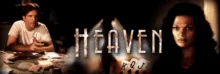
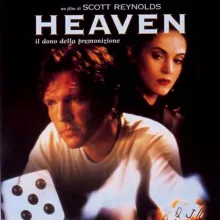
Scott Reynolds's, Heaven (1998) is a New Zealand film that features crime, sex, and the supernatural. It's the story of our titular Heaven (Daniel Edwards), a transsexual, precognitive stripper who works for a violent member of the underworld, Stanner (Richard Schiff (opens in a new tab)). Moreover, it’s the story of gambler Richard Marling (Martin Donovan> (opens in a new tab)), his wife and her lover, a psychiatrist. And, believe it or not, both of those storylines are all tied together into one larger piece.
Filmmakers Spencer Parsons (opens in a new tab) and David Kittredge (opens in a new tab) discuss the film with Mike. Actors Daniel Edwards (opens in a new tab) and Jeremy Birchall (opens in a new tab) discuss the making of Heaven while author Chad Taylor (opens in a new tab) talks about the inspiration for his book and revisiting the characters in The Church of John Coltrane.
Filmmakers Spencer Parsons (opens in a new tab) and David Kittredge (opens in a new tab) discuss the film with Mike. Actors Daniel Edwards (opens in a new tab) and Jeremy Birchall (opens in a new tab) discuss the making of Heaven while author Chad Taylor (opens in a new tab) talks about the inspiration for his book and revisiting the characters in The Church of John Coltrane.
Labels: 1998 Daniel Edwards David Kittredge Jeremy Birchall Karl Urban Martin Donovan Miramax Richard Schiff Scott Reynolds Spencer Parsons
Watch
Music credits
- "Something for the Cat" - Henry Mancini
- "Hey Man Nice Shot" - Filter
Links & resources
Related episodes
Episodes that share keywords with this one.
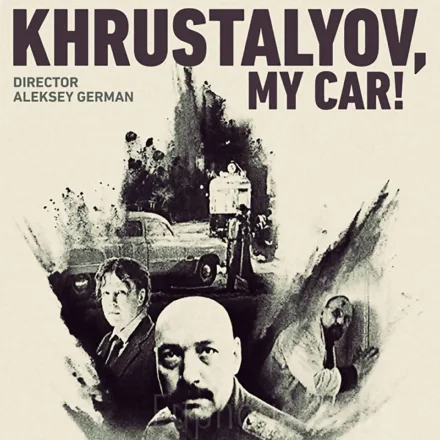
Khrustalyov, My Car! (1998)
Shared: 1998, Spencer Parsons
Jonathan Brent, Guy Seligmann, Gianna D'Emilio, Spencer Parsons

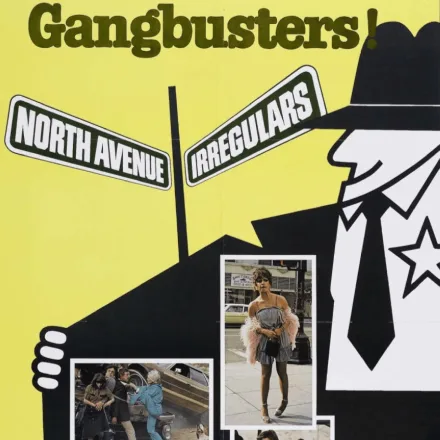
The North Avenue Irregulars (1979)
Shared: David Kittredge
Bruce Bilson, Don Tait, Edward Herrmann, David Kittredge and others
Comments (1)
Anonymous Not the best "Projection Booth". The conversation felt dominated by a single view of gender politics, and the commentary on the film itself felt neglected.