

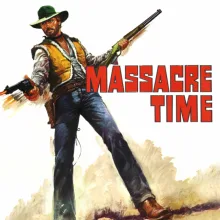
Show notes
Mike White, Spencer Parsons, and Joe Odber dig into Fulci's pre-horror career, Fernando Di Leo's crime-inflected screenplay, the film's feudal vision of capitalism, and the charged dynamics of the Scott family — Oedipal, theatrical, and deeply strange. They also trace Junior's lineage forward to a certain plantation dandy in a white suit.
Labels: Franco Nero Joe Odber Lucio Fulci Nino Castelnuovo Spencer Parsons
Transcript
An automatic transcript, tidied into paragraphs. It has not been proofread, so names, titles and spellings may be wrong, and it does not say who is speaking.
Show the transcript (about 16,200 words)
Speaker 1: Hey, this is Emily sowderback of Scarecrow Videos Viva Physical Media.
Speaker 2: All right, this is Matt Lynch, co host of Viva. The Projection Booth. Podcast is sponsored by Scarecrow.
Speaker 1: Try out Scarecrow Videos rant by mail service. Choose from over one hundred and fifty five thousand films and get Blu rays, four k's and DVDs all delivered directly to your door.
Speaker 2: Visit Scarecrow Video dot Org. Today Old You is bot.
Speaker 3: It show die.
Spencer Parsons: People pay good money to see this movie.
Speaker 5: When they go out to a theater.
Speaker 3: They want cold sodas, hot popcorn, and no monsters in the Projection Booth.
Spencer Parsons: Everyone pretend podcasting isn't boring.
Speaker 6: Cut it off, no sh jod.
Speaker 3: I, Oh God, A thousand miles your own alone.
Speaker 7: Anyway, you'll count back home some day.
Speaker 6: You'll count back home some day. This Christmas will steal the up.
Speaker 7: In Insta.
Speaker 3: Thankstations, Star Shot.
Speaker 6: Back Sunday, You're come Back consuns.
Speaker 3: Etations its.
Speaker 6: Us It's West Story Coming Back covers as cost to.
Speaker 7: Us who.
Mike White: Welcome to the project Both. I'm your host. Mike White joining once again as mister of Spencer Parsons.
Spencer Parsons: Hello.
Mike White: Also back in the booth is mister Joe Odber Hello, how's it going? We are kicking off a month discussing Westerns with a look at Lucio Fulci's Massacre Time, also known as Le Culte cantarano, Les morte ifeu tiempo de massacre as in the Colt Singh's Death Massacre Time, also known as The Brute and the Beast. The film stars Franco Nero hot Off of Django as Tom Corbett. He's a prospector who gets summoned to come home.
The mystery is who summoned him. Was it his drunk brother Jeff played by George Hilton, Was it his surgate mother Mercedes, Was it the patriarch of the Carrodine family, or how about the man whose name is on every building in town in Laramie, mister Scott. Laramie is besieged by mister Scott and his men, including Scott's son Junior, played by Nino Questel Nuelvo, a dandy in a white suit who loves to use a whip, and oh boy, is he fun. We will be spoiling Massacre Time, mystery, and everything else about the film as we discuss it.
So if you don't want anything ruin, turn off the podcast and come back after you've seen it. You will not be sorry. So Joe, when it was the first time you saw Massacre?
Speaker 3: Time?
Mike White: And what did you think?
Speaker 5: I saw for the first time in the last couple of weeks just for this show. The only Filchi Western I've seen before is for The Apocalypse, and that's when I really like that's Scott Thomas Millian as well is a really particularly good baddie in that one, and a fabio testy I think in that as well, isn't he So Yeah, first time watch for me. I'm a big filch fan, and the more films of his watch the more I enjoy, the more you get to appreciate his shortcoms as well as what is excellent at and I think both are really in evidence here, So great one to watch, very interesting and Spencer, how about yourself?
Spencer Parsons: This is my first time watching and first full Chi western. I'm a big fan of the horror but had not seen any of the Westerns before and I really love this movie. I'm really excited to talk about it.
Mike White: Yeah, this was the first time watch for me as well. It was one of those where I don't even know how it came on my radar. I might have been doing a search as far as the best spaghetti westerns. Just wanted to get back and do some more Western talk.
And I was not disappointed by this movie whatsoever. I can't say that I've seen a ton of Fulcy films. I'm pretty sure I have seen Zombie, and I don't know what others of his I've seen. Just for some reason, I just always associate him with being very trashy, even though I don't know if he is.
Necessarily.
Speaker 5: I think that's not entirely unfair.
Spencer Parsons: This is part of what we love about mister Fultchi. The trashiness is that it's a feature, not a bug.
Mike White: I don't find this film to be very trashy at all.
Speaker 7: I love it.
Mike White: This one's not very trashy, no no, And I love the violence. Apparently it was controversial at the time because Lens, But man, I'm here for it from the very beginning where you have this kind of most dangerous game type of thing where they release a peasant and have him torn apart by dogs. Okay, yeah, I'm here for it. So immediately we're getting some class struggle here and I'm yeah, I love it.
And we also get introduced to Nino Castel Nuolvo as Junior, and I love his performance and this kind of creepy grin he's got the way he cocks his head throughout most of it. He kind of has his eyes hooded, and he just has this creep factor to him. A thousand times you.
Speaker 5: Can tell why he started first seen with this guy rather than any of the other protagonists of this film.
Mike White: He really overshadows the person who I guess is supposed to also be the villain, which is his father, but he is so much more in charge of everything than his own dad.
Spencer Parsons: Well, so one of the things about this as a shift to horror is that he's at minimum extremely monstrous, if not totally a monster. I'm not the biggest fan of Westerns, to be honest. It takes a little bit of work or hearing that it's a foulcy to get me to watch a Western, but I will say that my tastes run toward the Westerns that start to include horror, because one of the things that bothers me about a lot of Westerns is the sort of narrative of righteous violence, which I just don't believe in period. I think it's a pernicious kind of mythology, and that is very has been very culturally harmful in the United States.
So it's really might seem strange for me to say, oh, I'm on board with this movie where it's not so much about good and evil, it's more about bad and the badder. Obviously, there are conditions that have brought Franco Nero and George Hilton to commit the violence that they do, but they are They're really sadistic, especially George Hilton, and very quick to just knock people off in a way that is that is not righteous violence. It is the violence of the world that they inhabit. And the villain of this piece being so extreme and yet also quite conventionally good looking.
I was not surprised to find out that his previous roles are nice guys. But he makes this incredible set of choices about his physicality, being introduced almost with his eyes closed, like he's passing out or something, as he's inflicting this violence on another person. And so it becomes right out of the gate, we are introduced to a monster and are heroes or at least protagonists. They're here to get the monster by the end, and even though the plot hasn't totally kicked in visually, this is totally clear the moment that Franco Nero as Tom arrives, he's here to get the monster and this is where the whole death drive of the movie is going.
Speaker 5: You don't really need a plot in this movie once my introduction comes in. The plot is this guy has to die. One of the problems I have with the film, and I did love the film, is the plot sometimes is hard to follow. Those bits I still don't understand, and it needn't be a complicated plot, but that's part of ful chain.
As you'll know Spencer, he does not mind having a little hiccups in the plot here and then that is not what he's concentrating on.
Spencer Parsons: I think its approach to plot is actually quite similar to his approach to space, which is, like you know, in a lot of these sequences, the attention to space is just beautiful and totally clear and precise, and especially in this one because this is a more expensive movie than a lot of the Horrors that I really love, and it's interest to see him working with a larger budget because he's really able to get things exactly right. But one of the things about Fulgi is like the moment that he does not care about continuity of space anymore.
You get an absurdity of spaces just jammed together, and that often will create a momentary confusion. It's a confusion actually that I really like, you know, like somebody is looking in a direction and then we cut to another shot as if they're seeing that, and then it becomes clear that they couldn't possibly be seeing what we're seeing in the shot in reverse. But the way that Fulchi orchestrates this, it's at once problematic on a basic cinematic narration level, and then also at the same time it's creating a kind of zone for disjuncture and surprise.
And I don't even know. It's simply his style. I don't want to spend a lot of time talking about is this intentional or is this a method that he was really devoted to. I don't know about that, and I don't care.
I really care about the effect. So there are parts of this that you can tell are beautifully intentional, if you want to go that kind of o tourist orchestration route. And then there are other parts where as you say, his faults come in, but those faults are really interesting and are genuinely part of the excitement of a full two movie.
Mike White: It's interesting you're talking about looking in the discontinuity of it, because so much of this film is about looking. The first time we see Nero's character being introduced, and I love how they follow the blood and the water going down all that while we've got that amazing theme song going. And then we follow the water down to the river where Nero's character is panning for gold. Tom Corport.
As he's there looking at this piece of gold, the moves in and you see this guy standing behind him and looking out between two boulders, and you're just like, okay, is he about to get robbed? Is he about to get murdered? We don't know what this is. And then finally this guy shows up and Franco throws some blows.
But then oh, it's this guy who used to work at the house where I lived when I was growing up, gives him this note like, hey, Carrodene wants to see you, and that becomes like a whole it's a mystery plot. I mentioned that at the beginning near it was a private eye through a lot of this. It's the whole thing of coming back home, seeing the house that he grew up in this manner of state thing just overrun Higgs coming out of the front door and there's guy chasing them out, and it just it's all decrepit. He gets accosted while he's on that front property, and it's just, don't you know the rules?
This is mister Scott's I don't even know who mister Scott is. So you have to go through and you are finding out with Nero what's happening. And this big reveal later on in the movie, which is very much like a mystery plot. So I love this whole idea of the looking the other thing.
Real quick I want to say, is I love when this guy that's delivering the message, when neros I'll go with you or come with me kind of thing, gus no way, and he runs away. It looks like Napoleon Dynamite, looks like the way that John Heater runs in that role. And he just runs behind a little hill and just he disappears, and I know he's just still sitting there, but it's okay, he's out of sight now, out of mind of this picture. And I just that made me laugh so hard, and rewind it three times to watch it.
Spencer Parsons: One of the things that I was reminded of, and this is a real sublime to the ridiculous kind of association, was Hal Need Him's The Villain, which is an extremely strange attempt to join together looney Tunes with the Western in live action. And I like how Nita movies, but he's an extremely lazy director, and in order to bring together looney Tunes with Westerns, you need more rigor to pull it off. So it's a very strange movie. But the reason why I made that association is so much of the violence here.
It's really interesting. It's at once very extreme and cruel and also cartoonish. Frequently we have people thrown through the air in ridiculous ways. We have shots that will, you know, cause people to fly across the screen, and we have moments like this of running away.
Like you mentioned, it's kind of like Napoleon dynamite or something. The cruelty plus the cartoonish quality create a really intense absurdity to the violence that can be funny in one moment and then really nasty in another. And the big set piece of the movie, which frankly should be an absolute classic. I'm going to start teaching this sequence in my classes.
To me, it's up there with like the Psycho shower scene or the Odessa step sequence as like just intense pure cinema. The big sequence in the middle where we get into the bullwhip violence that is just so beautifully staged shot to shot and reaction to reaction, and the way that all the crowd is gathered around and everything, you know, this afternoon for a bunch of rich people who end up watching somebody get almost whipped to death, and it includes both Looney Tunes moments and the most sadistic violence in the entire movie.
And the way that it comes together, the way that it's choreographed, framed, and edited, is so masterful. Really like probably my favorite sequence in any full two movie that I've seen before, and I do. I love the whole films so much. House by the Cemetery, like, let me watch it again, but this is really at this whole other level where I start to go, oh right, yeah, Fullchi for whatever the weird faults, whatever the strange preoccupations that he has that can make the movies odd and messed up and plotless at the same time.
There's a total mastery of cinema that comes out in the films where who cares about if it all adds up? When this is something that's delivered to us And I'll throw it out that I am obsessed with Psycho and one of the things that it obsesses me about. That's a movie that does not add up, and we treat it as if it does. And Hitchcock is one of the all time gread o tours, et cetera, et cetera.
But there's so much that's absurd and weird and strange disjunctures in that movie. But we've normalized Hitchcock into being the big o' tour and ful gie I think is actually with a sequence like this right up there, what.
Speaker 5: Struck me is this is the earliest folk shay film I've seen, and I think it's probably the earliest most people, the vast majority of people have seen Before this. It's all comedies and musicals, like weird jukebox musicals. This is his first I don't want to say adult film as a bit pushing it a bit, but it's really the first film that it's called violence in it and he hits the ground running with that. He's had comedy before, but this is the first one that has his later preoccupations.
And you mentioned the comedy that the kind of liney tunes comedy that there's a barroom fight in the middle, which really reminded me of Terence Hill but Spencer movies almost. But it's quite jarring, just that juxtaposition with the comedy and just the nastiness of some of the film.
Mike White: And I think a lot of the good things about this movie that are coming through are from the screenplay, from Fernando de Leo's screenplay. And it's funny how many times we've talked about to Leo and this show. We did the Italian Connection forever ago. We just did Blood and Diamonds, I think last year of the year before and then of course gave name to a particular show that I love called Caliber nine from Outer Space.
Speaker 6: Yeah.
Speaker 5: Absolutely, Yeah, it was the first film we reviewed on the podcast Caliber nin and Planned nine from out of Space. It's a director I love and a screenwriter I love as well, because he started doing a few dollars more and fist fill of dollars as well. He co wrote ended up doing quite a few Spahetti westerns, Nabajo Joe as well, I think he did. But yeah, he really made his name in the Politzi attention in the seventies, both as a writer and as a director, some amazing films right up to the eighties.
Actually, I don't if you've seen Killer Contra Killers with Henry Silver, which is crazy but really worth watching. That was the lead for Ages coming out. But he also did the screenplay for Live Like a Thing Like com On Weget Diodato. That's a great one too in the seventies as well, which another cracker, but very good, very clever screenwriter as well.
And you're right, the class stuff in this does separate it from a maybe a traditional Hollywood western.
Mike White: We've seen cattle barons, we've seen the rich and the way that they run the whole town type of thing. I guess maybe the all the Johnson's of Blazing Saddles might have something to do with Like the Scotts, there's Johnson on every business, but here it's just one person rather than all of the people having the same last name. But yeah, we've seen this type of thing before, but not this way necessarily, And I really appreciate just how run down everything is. The whole idea of him coming home and finding his brother just is now a complete drunk.
And I have to say, I don't know if I have seen George Hilton in movies before. This might be my first time really seeing him, or he might have just played smaller bits and things that I don't remember. But my god, I think I am now a George Hilton fan. He is ung in this movie.
Spencer Parsons: Wow, No Dean Martin and Rio bravo, except that he shoots even better when he's drunk.
Mike White: Oh boy, Yeah, that's for sure.
Speaker 5: He's the star of one of my favorite spaghetti western which is one of the Sartana films. He came into the role late, just for one film. I think it's Santana is here, Trade your gun for a coffin. They've all got great names, but that really takes comedy quite far.
There's a lot of gunplay. It's very like for a few dollars More, with a lot of the tricks and the gunplay, etc. Very fun western that one.
Spencer Parsons: So this fits into the sadistic world of the film, but the versus a lot of other westerns where you'll have a rich bad guy or you'll have later in the case of mckayby and Missus Miller a corporation. This is really interesting in the way that it stages this major violence set piece at this afternoon party for the rich at Scott's mansion, because it really ends up playing all of these rich people as completely depraved. The way that women with parasols gather around to watch this whipping and no one seems to have any concern about what they're watching.
This is setting aside wealthy people as a depraved class and makes a lot of sense of Yes, Scott's name is all over everything in town, but it's all run down and it's all kind of shitty. And I don't know about you, but I see certain kinds of associations with current events in the way that this works out, And yeah, that scene in particular. While I don't know that it's like a full Marxist class analysis, I do think that there is something really psychologically and mythically interesting about going to the place of the wealthy and they are totally depreved.
We've seen it in some other films, but it's actually a surprising move in this movie.
Speaker 5: It's supposed to be setting out of New Mexico, but it definitely feels more like the old anti Bellum South. Well, you've mentioned the obvious legacy at scott with Django and Chained as well, which we'll talk about later I think, But yeah, it felt quite European to me. This is a time and a lot of Italians and it's bid for an Italian as well as an American and international audience. Lots of Italians were moving from the South as well because of things like the mafia.
This was a big thing. There was no money down there. The mafia run everything that they had to go to north to Milan, Rome, Turin, and if people went back to defend their towns were dead and local thugs were just running the show. It felt very Italian to me that aspect of it.
Mike White: I can pick up a one you're throwing down there, Spencer, as far as putting your name on everything this, whether it's a shithole city or not. Yeah, like what you're saying about the mafia stuff because of the especially the family that is trying to leave town and this is great and everything, but we just cannot make any money. Basically, I don't think they say it this way, but basically you're taxing us to death because you know that this whole town runs on some sort of extortion scheme, right, And it's yeah, yeah, because you don't really see like I mentioned, oh yeah, we've seen cattle barons.
There's no cattle. I don't know why he is able to have that. Plus the whole trip to his compound, it's like going through like Stages of Hell kind of thing where it's like, Okay, well, there's these bad guys, you're going to have to take care of. These other bad guys we're gonna have to have you take care of.
And then the whole thing of the brother of Jeff, the George Hilton character. You know, he does not want to join his brother whatsoever. He does not want to take part in this whole thing, Like he's already done with the Scotts. He doesn't want anything to do with this whole mess.
But Tom is investigating, trying to find answers and all this. Ironically enough, a lot of these answers have to do with the past, with the family and what happened with that. But he's almost like this guardian angel of Tom trying to go to the Scott place, and he's there helping pick off all of these guys. And then once Nero gets close enough, Tom gets close enough, he's okay, I'll see you later.
I don't want anything else to do with the rest of this. Here you go, you're at the gates of hell. Basically, go inside and I'll see you later hopefully.
Speaker 5: Yeah, and he says, make sure you tell him that it wasn't me that show all these men.
Mike White: Yeah, I'll do this for you, but you have to take the blame, which I've never heard in a spaghetti western ever. Nobody can cares about who murders who, but this time it's very important. I'm not the one. I didn't pull this trigger.
Spencer Parsons: I love it, and I love the way that again they just go in and they're gonna kill all these dudes, no question, not tricking, not leaving them wounded. I'm just gonna kill them all. And then that's clearly the journey that we're on to the end of the film, as our heroes are gonna go into the bad place and they're gonna kill everybody.
Mike White: And even this thing with the family leaving, the way that he makes them stay is you don't have any dead that are buried here, So what does the Sun do. What does Junior do? He kills somebody, just cold blooded, right there in the middle of the street. Now you have a reason to stay.
And meanwhile, you've got for me one of the most interesting characters, which is the Chinese guy who seems to have all the jobs in town. He is every job yet he's the blacksmith, he's the undertaker, he plays piano in the bar. Yes, always looking for money.
Speaker 5: And remember seeing this character before, and it may be in a spaghetti western that this is a stock character. It's the same guy every time one does all the work in time. Very a very cynical, very spaghetti Western aspect to this. Definitely.
Mike White: What's interesting too that he's a marked as an outsider because he's Asian. Probably Chinese, probably came in with the railroad, if you're going to give this character a backstory in my version, So I watched this. It was so strange. I watched this in an Italian dub.
I have never seen a spaghetti western just dubbed in Italian. I know that there are English dubs of this out there, but yeah, him quoting Confucius and stuff just in Italian just felt very strange to me. While he's doing that and always hand out looking for money even if it comes. Hey, I helped protect you guys in that big barroom fight because I was using my pipe as a blow dart exactly.
Spencer Parsons: I mean, he wants money and he's saving up for his old age.
Mike White: I love that gag too, where he's he ducks back behind a corner and comes out and he's wearing that raggedy tuxedo because now he's the undertaker.
Spencer Parsons: Not a sensitively drawn character, but really fun and the movie kind of loves him.
Speaker 5: Yeah, it'd be nice to see him have a kind of payoff at the end of the film.
Mike White: But yeah, it wasn't happen the new mayor of the town.
Speaker 5: I watched the English dub at the I think the original English dub, and it's it's not great, to be honest. And in fact, I think when AIP bought it for American release they re dubbed it, which I haven't seen. I'd love to see if that one's any better. So there's in fact, there's three different three different dubs of this, but like all the TWI movies of this and later generations, all the dialogue is put in afterwards.
Just I think it just makes it cheaper just to film it, you know, without with a dialogue put that in afterwards. Very odd to hear dubbed by some of the because equation. Into his career he always dumped himself in English, even though he's English always that great, but it's usually always Franco Nero's voice, you hear now.
Mike White: I was wondering if it was Nero going to be dubbing himself, So that's interesting that he didn't do that for this movie.
Spencer Parsons: Yeah.
Speaker 5: I kin'd of remember which when he started off doing that, and may have been Street Law, the Lenso Castellari film.
Spencer Parsons: Yeah, the sound in this movie is really quite good, really atmospheric, and the music is aggressive, and I love how aggressive it is because it's like again, you know, sort of back to the very simple mythic qualities of our rather ramshackle plot. The music is there to like continually put you into the right kind of space for understanding the motivations and the next move of the characters. Even and especially at some of the points where things are not fully coming together, the music will I'll punch in and punch through and I really appreciate that.
I mean, if this is the thing, there are a lot of conventions about use of music in cinema, and especially since teaching a film school and I'm in a film school environment, there's a lot of a kind of unsubtle emphasis on subtlety with regard to music. How much you really should have and how much is like leading the audience and all this kind of stuff, And that is obviously an issue with certain kinds of stories, you know, But this is the kind of story where it is really right for the storytelling, and it's really satisfying for the music to come in and like dominate so much, and it makes me want to see movies that do that.
Now. We have a lot of movies with wall to wall music, and especially I'm very tired of horror music for just being like very scaredy the whole time. I feel like Count Floyd is the is like running the music session for so many horror films. So we do have a tradition of this right now, of being pretty pushy.
But this is pushy in a really exciting and epic and operatic way that that I really appreciated and that I hope to see. I want there to be this kind of I want there to be this Italian Western influence on contemporary cinema.
Mike White: Well, there kind of is, isn't there? Via Quentin Tarantino there is us takes the songs whenever he possibly can. I'm surprised he didn't use I'll come back Home some Day for Django Unchained or something.
Spencer Parsons: That's absolutely true with Tarantino. But at the same time, he's still like he's more I'll put it this way, he's more of an este than full ty, and so the choices of how to use the music have quite often more of a meta quality, you know, especially all the music cues taken from other movies in like the kill Bill films, there's a commentary that's from outside of the movie at the same time, which, of course this is what that's in his dialogue, that's in his whole medie. But so Tarantino will take this sort of technique, but the way that it goes is not like this kind of pure and direct connection with story and character that I think for Yeah.
Speaker 5: There's no irony in this, really, there's no distance. Yeah, this is just I'm trying to immediately connect with the audience and make it easier for them to understand maybe they've been talking to your meat in the cinema, but boom music comes in. This is a bit you have to pay attention to.
Spencer Parsons: I'm a fan of irony. I just want to throw down that this non ironic approach is also something. I want to hear more of it.
Speaker 5: It's not a composite, I know, really, Lalogry, you know there's no Marconi. Obviously you meet a lot of speaekto Essnce just so distinctive as well.
Mike White: I heard a lot of shit about the soundtrack. There's nothing wrong with this. And there are moments in the opening song, which apparently Fulche wrote the lyrics for, which is great. He was a songwriter as well as all the other things that he did.
Song has some big heights to it. It really pushes hard. It doesn't have the operatic chorus that somebody like a Marcone would use. But I love the theme and I love how the theme just keeps coming back in different ways throughout the rest of this movie.
And there are times where, speaking of the atmospherics, there's no music. Music is just more there for theme and therefore just atmosphere of the different chords being played. And I also appreciate just how important music is to this film, and we see so much diegetic music in this. We've got the little kid playing the harmonica in the street, and it always makes me laugh when you hear an instrument and then you cut to the person that's playing it, like when Chao Yun fato the door in the Killer and he's got the harmonica in his mouth.
But you've got that, You've got I mentioned the Chinese guy who is playing piano in the bar, and then you have that incredible organ scene.
Spencer Parsons: Wow, that is wild.
Mike White: So that is Junior playing the organ, and again he's got his head cocked, that kind of weird way that he cocks his head and looks sideways, doesn't sit almost oh yeah. And the way that he interacts with his dad, and the way that he's okay, yeah, let's finish this up together and almost forces his dad to play a duet with him.
Speaker 5: It's very odd.
Mike White: Yeah, it's so incestuous, and we definitely need to talk about that.
Spencer Parsons: One of the things that this aggressive quality and music does as well is that when it goes out, I hear every bird. It's not a very thick sound design. It's usually only a track or two of atmospherics, but my attention is drawn to just by juxtaposition to the sounds of the world. And then I don't know if you guys notice this.
It's not that the punching noises are so different in this movie from another spaghetti westerns, but the punches have this like very high pitch that then matches to my ear quite a bit with the bullwhip sound. There's a continuity to the fists and the bullwhip that I find interesting because when they're punching each other, these are very high pitched, high frequency sounds that don't quite land as real and heavy, and that maybe also contribute to the slightly cartoonish quality of a lot of the violence. But then when the bullwhip has a similar kind of high pitch to it, there's a sort of unity within this violence that I find really interesting.
Speaker 5: In the sound design, yeah, I wondered if it was just the same sund effect.
Mike White: Well, these gun sound effects are definitely from more of the Italian catalog. I had heard that Leone didn't really care for hearing the same sound effects as all the American westerns, so he had new ones created, and I don't know, this is close to some of his stuff, and these gunshots sound so similar to some of the ones I've heard in other spaghetti westerns.
Spencer Parsons: That stuff might have all gone into a sound library for Yeah, you get the new sound effects from Leoni, and then everybody uses them after that. It's even in the United States. It's actually weird and remarkable when a director likes Scorsese will make entirely new sound effects for Raging Bull and then destroy them afterwards so that nobody else could use them.
Mike White: I was stuck with the sound editor recently and I was just like, if you could remove one sound from all sound effect libraries, what would it be? And he's just like, I'm tired of the Wilhelm. I'm done with it. Okay, Yeah, what do you guys think of the Mexican guy who seems to be following around Tom and is a protector for him?
And that was one area where I was a little confused at first. I think I might have it figured out, but what did you think of that?
Speaker 5: I got the impression that was a bit of plot out of this bit, because it looks like he is working directly for mister Scott rather than or so he's got a slightly different agenda than JR. Does Junior and his thugs as well, but it's never really made clear, and there's a very odd scene near the end where he is the one that's crucified, right that we have no idea why really we have to just infair that.
Spencer Parsons: My inference was ultimately yeah, because it big, okay, big plot reveal here that Tom is actually one of Scott's sons, that that is a late breaking room, and so that to me made sense of this character working directly for Scott but also being a little bit watchful and protective and then getting crucified because we're not going to necessarily protect this kid anymore.
Speaker 5: I think that's it. But he doesn't really do all lot much except stand in the background look threatening and everyone moves heights, which I think kind of like that's I was a I deal with that chdacts on these phones.
Mike White: Well, it's nice that we have another person of color in this movie. This feels like more of a Western town because not only do we have now the Asian character, this kind of Latino gentleman, but there's even a black guy in the background a few times where it's like, Okay, this is nice and they don't necessarily make a big deal of oh that Mexican guy, he's not to be trusted or anything. But also, like you said, he gets crucified at the end, and I know fulkch she's a fan of crucifixion scenes as well. I always found that a little too Roman and myself.
Spencer Parsons: Other background characters, there's that friend, maybe servant or catamite, Yeah, maybe lover of Juniors who's in the background. And definitely there are certain things about Junior, like from the word go there may be a little queer coded for a villain, not uncommon at this particular period. But then you've got this watchful, young blonde guy who helps him out at a few places, who's always there for a reaction shot of really enjoying the sadism, really wanting to see Junior meet out to violence on others. So the attention across the board to background characters who have no lines but give so much texture and meaning to the world is not that Foolgie's anything like the only one doing this, but really exciting to see.
And right now, in the way that American films are getting made, there's just I know from experience that there's so much focus on a budget that if a character doesn't speak, You're only getting an extra, and you don't have background characters who enrich the world that much unless you're a really big deal O tour director. Everybody else has to just have a main cast that seems to grow smaller and smaller, and then you have extras who fill out the background and might be dressed in interesting ways. But this was another one of those reminders of a past time in cinema where we can really fill out a world with people who don't have to have arcs, They don't have to have even lines of dialogue, but they are people worthy of our attention that make the story richer and reflect on other characters and create more sense of characterization, even when, for instance, the Latino or Native guy that we were talking about earlier, he doesn't have a lot of lines yet has this big presence and we don't even get explanations within the plot, but that presence makes us pay attention to what's going on and fill out explanations for ourselves.
Speaker 5: Which I like one kind to I was just reminded of. There is certainly in English dog she's called Mercedes, which I'm not sure how do you Americans pronounce? Is it Mercedes bends.
Mike White: I would I would say Mercedes.
Speaker 5: That's why I thought. Yeah, anyway, they produce her name Mercedes. Again, I'm not sure if she is native or American or Latino that she is the Is she the old wetness of Jeff and Tom or something?
Mike White: What it feels like, yeah, or like the servant lady. But yeah, it definitely feels like she raised those two from childhood. And it's really only once she gets murdered. Spoilers that Jeff actually takes things seriously and says okay.
Speaker 5: Which is why I think he does. I think it doesn't say this, but I think his whole reason of not wanting to get involved, of not wanting to go against the Scott, it's just to protect her. I think that makes more sense. Yeah, because after that happens, that's it.
All guns of blazing after that.
Spencer Parsons: And that is such a gnarly scene too. The way that she dies is really fast and nasty and upsetting. We go from you got to get out of town. So she steps in front of the window and instantly gets shot.
Mike White: And windows are a big deal in this movie. I really love the shot of Nero when he ties up his horse and it's all from inside of a window, and that's when he first meets the Chinese guy. Is when he comes around and goes into the Chinese Guy's place. And I'm just like, well, that's a really nice use of outside and inside, because normally it's just like, all right, this is a set and this is the real world, and never the Twain shall meet.
But it really feels like everything is integrated. Here feels very much more shot on location, which helps add to the very some vilitude, but it.
Speaker 5: Doesn't feel flat. A taller direction of this, and we in our show, we recently did Stagecoach, seeing all this, all these windows and the framing and really careful framing actually really reminded me of John Ford. This definitely feels very Western compared to you know, the Leoni films, or even Djangle, which is the one that's I think quite a big influence on this. Solough a very close influence.
So it's always hard to tell because only came out what six months before.
Mike White: I'm curious too, because you mentioned Stagecoach and John Keerdine was famous in there, famously in there, and you've got the Carrodine character, the character named Kardine here that whole scene is just so strange for me because you know, like we said, Kroendine is the one who allegedly wrote that note to come, you know, come over here, Tom, we need you, even though Tom was told never come back to the town again. So he comes in, meets with Kerodine for what ten seconds if that, and then it's like we have another drive by shooting with these guys on horseback, just literally bang bang bang, and murders Kardene murders that.
You know, there's the titular massacre time, right, It's just all of his two daughters and his wife are dead in there.
Spencer Parsons: Every time I.
Mike White: Say Massacre Time, by the way, I always think of Peter Parker and Spider Man two just going pizza time, but just him saying Massacre Time. Every time it goes through my head.
Spencer Parsons: The widescreen compositions in this movie are they're the kind of moments where you go, oh, it's painter Lee, and they definitely are. You get these wide Western painting compositions, but also for the motion and the blocking moving through space really incredible. And then back to the windows, I love folchese use of the zoom lens throughout all of his films that I've seen, and this is one of the ones where I really love this, you know. And there are a couple of places where we framed very wide a window and then we're zooming in to frame it closer in the window.
That is really exciting and also beautiful efficient storytelling. And the movie also has zooms match to aggressive music cues at various points. You can get some of the best smash zooms in the or crash zooms in the business here. Yeah.
Mike White: I absolutely love the composition of those two little girls and they're basically on top of each other, and then you've got the knife fork and spoon over on the left hand side of the frame and they're on the right hand or right hand side, and then you're talking about like the zoom. I love how we've got the wife in that scene and the camera pans over and we see the Mexican guy in the window and then we push we zoom in on him, and I was just like, oh, that's nice, that's really nice. And he's just kind of this specter of death.
I mean, it kind of reminds me of like the movies where it's just like, okay, we're not going to kill you, but we're gonna kill everybody that you know until you finally get the message and leave town.
Speaker 5: Definitely, that's why this whole aspect for Verna Mafia like rather than you know, it's got as you said, it's like the cattle, but it is like the settlers versus the ranchers and Shane or something like that. But that's not what's happening here. I think this is coming from a different place, even though it's using that same trope.
Mike White: Can I just say again how much I love Castlenuovo in this film and just what a wonderful job he's doing. I had the chance to interview him years and years ago. Super nice guy. I talked with him about Umbrellas of Cherbourg, and it's funny just how charming he is in that movie.
And then you see him here and you're just like, he's a handsome set of a bitch, but he is the most creepy guy I've ever seen in my life. And I love the white suit that he wears through this whole thing, and that he wears that white suit and it's almost like you're saying, Spencer, the whole thing of the big rich people party that's going non everybody there is dressed in white. It's almost like they caught up with him, like he's the one who's always going to be dressed like it's you know, racing day, you know, at you know, some big event like my fair Lady type of thing.
But you know, he's always dressed to the nines, and everybody else finally catches up with him and they start wearing their finery, you know, around him kind of thing. Also, I love the what's that meme? The is it Arthur? That the where you see the clench fists that how angry he is, and I love you get that same thing here with the dad before he starts playing the organ, you see those fists clench, and then he comes over and starts playing with his son, and it's just like, oh man, this is so good and so creepy, the way that the sun just controls his father.
There's no women in this movie other than Mercedes and then like a couple prostitutes. You know, it's like so much of this is all just male dominated stuff. No mothers for Junior and mister Scott. You know, the wife is out of the picture.
We don't know like where he could have just sprung out of like mud or something, and then like no Father for the Corbett Brothers.
Speaker 5: I know Nino Castelnuovo from one of my favorite jelly strip Mute for Your Killer, which is a very sleazy photographer, so sleazy. Yeah, but I don't know, kind of charming. I like him in that. Yeah, he carries off a great film, that one, and Yeah, you're a really good actor.
Need to see him. And what I haven't seen Yumbells of Scherburg. I have to watch that one.
Spencer Parsons: I don't know.
Mike White: Don't watch it if you're in a good mood because it will squash that right away. That movie makes me cry, like nobody's business.
Spencer Parsons: The white costumes are also another element of absurdity in the film, because here they are in the desert and the white is all immaculate and there's no dust. The cuffs of the pants is really not not that you wouldn't wear white in the desert, but all the white is immaculate on all the characters while they're watching it, and that's that also plays nicely against the depravity of everything.
Speaker 6: You can't wear white shoes after labor Day, that's not true anymore. Yes it is, didn't your mother ever tell you.
Spencer Parsons: Now you know, Kesslenovo is inhabiting a character and he's using that. This is again something all good actors do, but it's notable because we're our eyes are drawn to the costume in this way he is. He is using the costume in the way that he moves in that in his postures. And then Fulgi is there with his crew to make sure that costume never has a blemish, no matter the situation, no matter the violence.
Speaker 5: I was wondering, I love the upsubteity of this. Where all these guests come from, but in the middle of New Mexico.
Spencer Parsons: They don't live in the town. We didn't see them before.
Speaker 5: They must have come a hell of a long way for this party they flew in.
Mike White: Yeah, and we have to talk about this party scene and just how strangest thing is, man, oh man, oh man, just the way that franco'neiro comes in and you get some guests that just like, oh, look at this guy, you know, like back of the hand kind of thing, like oh, what a disgusting creature. This is like kind of this, you know, like bringing in the you know, the side show freak to kind of show off for the rich and famous type of thing. And there's Junior outside with the Oregon outside playing it, and he's got his little buddy and everything, and you've got the one black servant going around serving up drinks and all that, and then to have this whipping scene and the whipping goes on for so long, and that is Junior's weapon of choice is a whip, and even tries to give Tom another whip.
I thought for sure like he was going to do a double whip thing, but then he's like, no, no, you know, I'm playing fair quote unquote gonna throw this whip over to this guy, never going to really get a chance to use it. Really never gets the upper hand on Junior at all during this fight, and it just becomes this. You know, we've talked about this before in well, especially in spaghetti westerns, but in a lot of action films, you have that moment where the hero has been completely defeated and now has to build himself back up, you know, be It.
You know, one of the best movies ever steven Sagall and Hard to Kill, where he has to like learn how to fight again, or you know, Chowi and Fat when he has to learn how to shoot again in full contact those kind of things, or you know, I guess even like maybe say like a Clint east Wood in a fist full of dollars where he gets the shit kicked out of him and then he has to learn how to shoot again and comes up with the idea of the bulletproof vest type of thing. But here it's less of the recovery. He seems to recover pretty quickly, and it's more of the example to his brother.
And then, like I said, Mercedes being killed is what really motivates the brother for them to become like this ass kicking duo, which is the thing you know you mentioned like some of the put Politicio Tecci and stuff. I love that moment where the guys who really haven't been fighting together suddenly realize that they have to join up.
Speaker 5: It's that like, come on, guys, it's a third act. We've only got twenty minutes to wear this out.
Spencer Parsons: Let's join forces.
Mike White: It's that moment when Bud White and Ed Exley team up in La Confidential, where it's just like, okay, we have to kick ass now. We're like, you know, like the two cops in Beverly Hills cop realize that they have to join up with Axel Foley if they really want to take down the man.
Speaker 5: Always satisfying Franco Nero was big, I think on this kind of suffering Jesus type hero as well. I mean that started Django as well. Of course his hands are so messed up he has to use the tombstone is to trigger his gun as well. But also in a later film with Franko, one of the very latest real spaghetti westerns Koma, which is a great film if you haven't seen that, and it's got pretty much the same plot as this, and in fact there's even an alcoholic is that Woody Strode in that?
I don't think it's Woody Strode. That he's got a former retainer as well who helps him out and kicks the bottle, but that when all his brothers have joined the local bad boss as well. But again I think Kyoma gets crucified in that one.
Mike White: Oh yeah, I think you're right, yeah, yeah, so yeah.
Speaker 5: Certainly something that frank and Nero really kind of made part of his kind of star persona that's suffering and then bringing himself back.
Mike White: Well, you mentioned how Jenga is like six months before this and it's amazing to see the influence of Djengo even on this film, Like the outfit that he wears with the black and the black just is so Djengo, and it's like, okay, you know, And apparently he got this.
Speaker 5: It was someone that was I think George Martin, not the Beatles producer, another one who was supposed to have the role, but they saw a production still of Jangle went let's get that guy. He looks good. But obviously some bits it must have been filmed after the film came out, because it does seem quite a heavy influence. And there was another one, Adios Texas, I think, which Franco Nero made again very soon after Jangle, which I had a lot of to same kind of plot points in it.
Spencer Parsons: I think I read that this film was retitled as a Django sequel in some markets, which is not unusual for exploitation or for Italy kind of play fast and loose with stuff. But I do really love the way that his face remains marked for the rest of the movie. I mean, they're not but for the timeline, they're not realistic scars. But on the other hand, just seeing him go around at the end, he's got these stripes left on his face from the whip.
It's really great for this final vengeance sequence.
Mike White: There's some continuity insofar as the guy that Jeff puts his cigar out on his face. I love that, absolutely love that. But then it's interesting and maybe I'm just screwing up the timeline, but like Tom and Jeff are in town and Tom's trying to find out, like where Scott lives, and he's talking with the prostitutes and the bartender in there, and they make a big deal. They show one of the prostitutes pretty often and gives her some close ups and everything.
But she's also at the party. Like they leave from town, and I thought they went directly to the party, like obviously they have to fight their way through all the bad guys as to say, go along. But she's also at the party, and I'm just like, Okay, I don't care about the continuity, but I found it interesting that these aren't really some high society people. They're the local prostitute.
And who knows how many of the other women from the saloon are there at this party, or maybe they're just kind of the party favors, you know, like oh yeah, gentlemen, you know, like you can come in and have your way with any of these nicely dressed women.
Spencer Parsons: I like to begin the presentation.
Speaker 5: But first god, yeah, or they didn't have a lot of women on sants, so.
Mike White: Right, that's very true.
Spencer Parsons: Yeah, but the implication paints a picture.
Speaker 7: The lies, linking me with the disgrace for Jeffrey Epstein.
Speaker 5: Need to end today.
Spencer Parsons: Yeah, somehow I didn't catch that, but it makes me think about another. Yeah. Again, back to the use of the background characters for really suggesting world and character through their placement.
Speaker 5: I love that bet. You mentioned that bet when he goes and tries to find some vision of it where Scott is and he says, well, he wins this saloon, doesn't he And this bartender says, what saloon? This guy's getting nothing here.
Mike White: I don't know. I reference La Confidential way too much, but one of my favorite moments in that movie is when either Bud White or actually the guy Pearce or Russell crowth to throw a gun from one to the other kind of thing. And there's a very similar moment in this film too, where they're just going through taking care of all of these bad guys. And I love this whole thing.
Every time he's about to shoot the George Hilton character, Jeff goes, hey, gentlemen, and then like, we'll take him out, and it's so fun. I just love that. And like there's a moment where he says, hey, gentlemen, and Mirror's like whoa, whoa, whoa. You know, like, we want to talk to these guys.
Don't kill these guys yet, you know, we'll get there. And that also then mirrors the last shot of the film where after the bad guys have been dispatched, all of these it's very John Wu as their junior falls into this thing, all of these pigeons and birds come out. Jeff almost goes to shoot one, and then Tom's like no, no, puts the gun down, like okay, we're done with violence.
Speaker 3: Now.
Mike White: This is the last time that we'll be shooting people.
Spencer Parsons: And that dubs it looks like it has blood on it, and that's our freeze frame for the very last scot. I have to think that John Woo saw this movie and said, hold my beer.
Speaker 5: I can get more doves and more gun play.
Mike White: Yeah, Because I mean it's very similar to the end of The Killer where they're at that church at that mission, you know, and here you've got somewhat similar as far as this abandoned building that they're in, which I think is one of the buildings from as they're going out to the Scott property. They've got the you know, the different stations along the way, and I think this is one of those.
Spencer Parsons: When you mentioned the hey gentlemen and then shooting the guys, I loved the one where they're at the top of the stairs and they roll down and then sets up later for Junior to have to step on them, step on their dead henchmen in order to get up the stairs. That's really what this movie is about.
Speaker 5: A great you mentioned this before, A great use of space and you know where things are, which is great because you can tell it's not there's not a lot of maybe complicated sense at the end, but he still managed to he still managed his shoot in the way where you know where they are, where they're coming from, what the plan is. It's never confusing in that way. Other things are confusing, but that's not confusing.
Mike White: Well, there's some really great things like when he rolls the wagon down and is shooting from the wagon and then does that amazing like dumb the wagon.
Spencer Parsons: Again, back to the cartoonish it's ridiculous. I love that stuff, and again went to the use of space faulty and I'm forgetting the name of the DP. They're constantly setting things up to make a simple cut from the master to a close up be as big an impact, like a punch to the audience as possible. Really beautiful cuts to a close up that are just at the right opposing angle to where the camera was in the master, or even just the shot that's set up the scene that we get these these really beautiful, intense cuts that push us through the movie.
Mike White: Yeah, and I think some of that is the DP, Like you said, Ricardo Paolo Tini, I believe is how you would say it. And then also the editor, thank you.
Spencer Parsons: I have a terrible fear of mispronouncing, which derives a lot of my not mentioning names when I'm on I'm really.
Mike White: Apologize, no worries. And then the editor or Nella mccheley had done a bunch of stuff as well, including don't Torture or Duckling, which is holy shit. That movie.
Spencer Parsons: Yeah, I love that movie.
Mike White: I love it so good. And yeah, another just fulche classic, that one. I believe is one of the few that I've seen of his. No, I definitely need to see more of his stuff.
I almost need like a little bit of a primer to be like, Okay, you're gonna want to go here next, and you want to go here. I mean, I wouldn't even mind checking out some of the comedies. The thing that everybody says is, oh, they don't translate, But I watch a lot of comedies from foreign languages, and I'm just like, yeah, no, Like, I imagine some of this is funnier, like you know, watching an Indian comedy or a French comedy or something. I'm like, I imagine some of this is funnier in the original language, but some of it just is universal.
Speaker 5: I can recommend a Fucci comedy if you want, and it's a later one. Actually, nineteen seventy six. My sister in law with Edwich Finnich. That's actually I it made me laugh.
Spencer Parsons: I like that one.
Speaker 5: She plays twin rules.
Mike White: She plays I'll watch anything with her in it.
Speaker 5: A woman of loose virtues and her judge sister as well. Nice sister, okay, because she's in the law.
Mike White: I see what you did there, that's nice.
Spencer Parsons: I want to see the musicals as well, now, because I don't see much of a musical connection or influence in the you know, in the horror films, but actually in the staging of the action here, I'm like, oh, okay, yeah, this is a guy who's directed musicals.
Speaker 5: Yeah, absolutely, yeah, standing of how to use space and what's going on where, and yeah, love it exactly.
Spencer Parsons: And this is I'm not big on musicals either, but this Western has convinced me I got to go in for the faulty musicals.
Speaker 5: Now. Incidentally, I'm really surprised Filchi didn't make any of the peplum films in the early to mid sixties, you know, the Sword and Sandals or even like Pirate kind of films which were made around the same time. That's an opportunity to have crucifixion in your film, and he just passed it by.
Mike White: He'll work it in other ways, don't worry. Yeah, he's got like the pilot whipping Jesus scene in this one. He's got the crucifixion, you know, very very old school with these torture techniques.
Speaker 5: I love it.
Spencer Parsons: Mike of the horror films, I'm gonna I'm gonna highly recommend The Beyond as a place to start.
Mike White: Oh, we did cover We covered that years ago.
Spencer Parsons: I love The Beyond.
Speaker 5: I love That Beyond.
Mike White: It's so good, and I just love the surrealism.
Spencer Parsons: Of it, the absurdity and excess of so many of the horror sequences where they're like just breathtaking, lee slow, they just take forever. But that's part of the pleasure of it is, you know, it doesn't make any sense in terms of how things would happen or the reaction of the characters or anything like that, but nevertheless, it's just amazing the way that these things get slowed down and keep going on and on.
Speaker 5: Yeah, it is the first time I watched that. I think I wrote review for us saying, Okay, it's not the best film in the world, but it's probably top five.
Spencer Parsons: Yeah, exactly. No, The Beyond is one of those great it's a great film, but it's in a certain kind of category. Again, the trashiness is one of those things where I guess I understand why FULC isn't taken more seriously, But then I feel like the people that don't take Fullcy seriously, I don't have to take very seriously. The trashiness is there, but that is, as I said earlier, feature not a bug.
But on top of that, if you cannot encounter these trashy movies without appreciating the craft of the trash I just how much do you really love cinema? Becomes a question for me, And increasingly as I watch and rewatch fulcy movies, I'm just always more impressed. I know, my third watch of Massacre Time is going to be one of my favorite things that happens to me in the next year or so. As I know, I'm going to watch it a couple of more times, you know, in the next several months.
And that's just usually the case, you know, with any of his stuff talk about trashy. Zombie is extremely trashy, and that's one where you know, you can tell that he doesn't have as good a schedule and budget as on a movie like Mascar Time, and yet there is just you know, real cinematic beauty in setting up you know, the eye splinter scene.
Speaker 5: And as a film that took me a little while maybe to come round to you. First couple of times I saw it, I was thinking, Okay, it's good fun, it's a zombie fighting shark, but it's not great. And then now I absolutely adore it. I think it's amazing.
It's just real, it's just pure craft. It's great.
Spencer Parsons: And then even the zombie fighting this shark, which is pretty ramp backle as a sequence, it does really work. And it's a funny thing. I've actually taught that scene in classes to teach about the creation of space through editing, because you never get all three elements. You never get the girl and the zombie and the shark all in the same shot.
You get two at a time. But the way that it's put together, well, it's deceptively ramshackle, because the first couple of times that I watched it, I was convinced that, like, all three of these had come together within the same shot, and they don't. What's all about scheduling of the shark, scheduling of the zombie, all this kind of stuff.
Mike White: There's your psycho influence again. Yo, Does the knife ever enter into Marian Crane? No, but it sure looks like it.
Spencer Parsons: There's definitely stuff that's fast and loose, but it's fast and loose by someone who has real control and really beautiful sense of timing. Another thing that this movie is particularly great at is duration, the duration of shots that punctuate these scenes. Franco'neiro staggering away in close up for a really long tracking shot really puts a fine point on everything in the movie we've been watching up until that moment, and that's far from the only instance of that. Faulty really has a great sense of exactly how long a shot should be and everything that it needs to contain.
Mike White: It's funny that this movie is about brothers and then that you find out the switch later on. You know, oh that Tom and Jeff aren't actually brothers, but Tom and Jeff are the ones who fight together at the end. You know that it becomes basically killing the natural brother, the quote unquote natural brother, the one that came from your same father, I guess, or maybe same mother.
Speaker 5: Yeah, I get. It's so much in this film is not explained.
Mike White: We don't get a flashback.
Speaker 5: Is the implication that Scott raped their mother or not? And if nothing could be done, why doesn't Tom know the name Scott? What point was he sent away before Scott took over the place.
Spencer Parsons: All of this the way that it works. Sorry, I'm about to give a little pet theory that I like for breaking down types of cinema. This movie is not fantasy. It's dream and it doesn't do any of the surrealists kind of dreamlike pointers of going, oh, we're inside a dream.
It is simply arranged in a dreamlike way. We're not in a lynch land where the sound design and the framings are telling us right out of the gate that we're in a kind of dream or dreamy world. It's not doing that, but the overall arrangement of how it comes together and the logic of how the characters fit within the world and fit together. It is ultimately without any fuss or without any of the sign posting that we normally see for the dream.
Speaker 5: Like and that's common with all pretty much of not all food Jeep, but pretty much.
Mike White: Yeah.
Spencer Parsons: Well this is why I love him so much. As like, you know, I love plenty of fantasies, but on team dream, a dream is much more interesting to me than fantasy. And so, for instance, you know, there's a world here, but in fantasy there's a kind of sense of rickety we like to use this term a lot these days, but has always kind of been there rickety kind of world building, whereas this is more world inhabiting. Yes, there is a world, and the world is populated, and the world, you know, has buildings within it.
But this is ultimately a thing that we are as audience, asked to inhabit, rather than to peer down from a map and get an arrangement and get exposition about here's the world, here's how it's built, here's the lore, here's the mythology. This is not a movie with mythology. It is simply a myth. It's a freestanding myth.
Mike White: I've read an article where it was talking about how Junior doesn't even seem like he's It feels like he's jealous of Tom. The attention that Tom's getting more like a jealous lover than a son or even I know for sure what motivates him in theory is the idea of inheritance, you know, and maybe Tom's the firstborn son, maybe there's primogeniture. I don't know, but yeah, just this whole like this is my daddy and no other person can have him, kind of going back to that incest thing where it's just like, Okay, this is a weird relationship that we have and just again he's got the power over his dad.
You know, it's very telling that he's the first character introduced that we don't even see mister Scott until when they're first in town and come riding in and we've already met Junior. We already know like, okay, yeah he's a bad dude, and yeah, we don't know what the peasant has done to deserve this to be hunted at the beginning.
Speaker 5: I've heard some people speculate that is the father, Jeff's father, but who knows.
Mike White: Interesting, so it's almost like a flashback kind of thing or just like that's the motivation.
Speaker 5: Yeah, or but we don't know how, We don't know how far in the past the fathers die, we don't know when the mothers die.
Mike White: All this is a mystery, Yeah, which I'm fine with. I don't need everything to be explained to me. And yeah, like I mentioned, oh, we don't have a flashback of what happened with the whole family thing. I'm okay, that is just a broken family.
Spencer Parsons: Yeah, yeah, no, let's just walk in and live in it.
Speaker 5: Yeah, And it's quite unusual I think in a film like this, which really is does have quite a lot of plot, that there isn't any flashbacksulture would not be a stranger to Flashbacks and a lot of other films, but in this one it's just all still toad Street straight forward.
Mike White: Well that's the screenwriting rule, I think, as you tell and you don't know.
Spencer Parsons: One of the crazy disjunctions is at the end, we leave Franco Nero hanging by one arm off of this bridge as Junior falls to his death, and then and Doves falls to his death, and that Doves take off, and then we return to the bridge and Tom Franco Nero is gone and we wonder, oh, did he fall, And then no, he just appears in a kind of two shot close two shot with Jeff for the end of the movie. And some people might find that kind of cheat unforgivable, especially at the end of a movie, but to me, it's actually all of a piece.
But again one of those one of those gaps that Fulty creates, and I think this is a very intentional gap that he's intentionally messing with us and messing with space here, But it is of a piece with all the other the other kind of lacunai that we have in plot and in space throughout the film.
Speaker 5: The biggest one for me is the shooting of Jason Scott the father as well. Do you see genuine that, because I'm sure I missed him popping up in the background. He is not in the scene, but the implication is he has just popped up from behind a rock, shot his own father, and then run off. Because even Tom is convinced that Jeff is shopping, Jeff goes and starts beating up Jeff for shooting him.
Spencer Parsons: I'm going to beat up on Hitchcock just a little bit here, and he can take it. The Hitchcock theory that surprise is no good and cinema is all about suspense. You can't use surprise everywhere, but in a movie like this is a good example of where you can have a tension between suspense and surprise, and you can have these absurd moments of a character who has not been in the background suddenly shooting somebody. And yeah, I note that there are a lot of people that go, oh, that's dis x machina or whatever, but I don't know, there's so many incidents.
In the real world is a dreamlike kind of thing, and I'm gonna make my claim on the basis of dream but also in the real world, people are freaking surprised by the car wrecks that they get it. People never know that they're about to die when a calamity occurs. The Hitchcock line about no, you always want to set things up in a way where the audience is worried about the character. Sure, yeah, whatever, ninety percent of the time, but there's a ten percent that is actually, I just got to call bullshit on this as a totalizing theory, and that feels to me like a lot of rule following screenwriting and visual construction unnecessarily prizes this view of foreseeing everything over an experience in cinema where we can be jolted, characters who have been in the movie the whole time can suddenly appear, where somebody can be shot totally out of the blue.
Speaker 5: I'm reminded of oh, what's it called confidential? Yeah, James Cromwell, one of the best scenes. Yeah.
Spencer Parsons: No, And this is done occasionally. It's not that this is a totally unknown technique to pop up in different movies. But again, the pervasiveness of it here is actually something that I don't think is just sloppy writing or anything. It is part of the chaotic and statistic world that this story takes place on.
Mike White: Well if memory serves, doesn't Tom then think that Jeff killed the father and he starts beating him up about it, and it's just like no, No, just wants to.
Speaker 5: Open up buttons and his gun they're not called buttons, bullets, that's what you call them, and shows that he's not fired one.
Mike White: Yeah, and I love that. I love it, especially as it's a kind of a callback to like that fetishization of the gun that we had when we first are introduced to franko'neiro and he like is lovingly touching his old black leather saddle and then like gets out the oil and starts like cleaning up the gun and everything and putting the bullets in those nice close ups. It's so funny because like the I was trying to find a good trailer for this movie, and the trailer I can't find one with like the typical voiceover which I love to use for the show where it's like you meet Tom Corbett kind of thing, but it's instead it's the whipping.
Like that's how the trailer starts off, as like whip stuff across the screen and then the whipping scene and then there's a whole bunch of stuff with the gun and all this, and then of course the music comes in. I don't know if there I can't remember if there's any dialogue in that trailer at all. So I'm like, Okay, this is gonna be confusing when people just hear this because without the visuals. But yeah, just it was funny that those were some of the big moments that they used in the trailer, was the whipping and then the gunloading.
Speaker 5: So I think from the posters you can tell you find this film quite hard to market and how to sell it. It was an American titlely I peep it on it the Brits and the Beast doesn't really make sense, but of course it's came out. Did it come out of this? I think it came out the same year as Good, Bad and the Ugly.
Mike White: I think you're right. Yeah, So it was kind of playing on that, playing on that is.
Speaker 5: The height you're a Western This really sixty six And then it was a cult concerto in Britain. No idea what that means. And then I think it was West Germany and Denmark. It was the Jangle.
It was a Jangle film basically, But yeah, they would definitely try to market it as nasty spaghetti, Western cruelty whips, that kind of thing.
Spencer Parsons: I'm going to jump back to the killing of Scott because I think this is psychologically and mythically a really interesting moment, and again the use of the surprise a surprise factor for Junior killing his own father. Effectively, we have these three brothers within the dream mythology of the thing, and two of them, you know a way, the moment that the father is killed is the moment that he's accepting a new son, and Junior then is being deposed in a way, and this motivating the killing of the father, and then one brother attacking the other in thinking that the Jeff has killed the father.
This is a really nice little psychological triangle around the killing the father mythology, really great kind of moment, and I again back to the idea for why do you employ a surprise like this. It's precisely because of that it plays into the psychology of blaming Jeff in that moment by not setting it up more obviously, and that it's a surprise we can better believe and tap into the psychology of Tom as he attacks his brother.
Speaker 5: One of the most important lightens is from Jeff and he says, the Scot's killed my father. That's the signifier that Tom is not from the same father. But also seeing the Scotts, he's not saying it was Junior Scott, insont seeing it was Jason Scott, So that's kind of left in the dark there. It's just the Scots, and we're going to presume it's Junior and not not the father.
It turns out it is not really the villain, though.
Mike White: I'm curious how much he had a hand in this stuff, because I'm sure, you know, obviously he knows his son is crazy, and all he does is kind of help him out and set him up for success.
Spencer Parsons: You know, Son's probably pretty good for knocking off his enemies competitors keep the local control. But it's also interesting the way that the father is killed off so quickly, which is in its own way a surprise, you know, in the structure of this Like I know for sure that the final boss is going to be Junior. I know that from the very beginning of the movie. There's no question.
But there's a part of me that's expecting that the father is going to enter into the violence at some point, like our mafia godfather is going to step into the violence at this point in the film, and he doesn't, and he's killed off before that that can happen, And again, that's a wonderful kind of surprise.
Speaker 5: I was a little disappointed about how fast he's killed off, and I think the fact it was a surprise, I wanted to be part of the big showdown at the end rather than really just triggering the big show down, Yeah, because I think there was a little bit more to be eked out of that weird relationship between Junior and his father.
Mike White: While I was doing my research for this one, I kept running across people talking about the comparisons between this and Django Unchained, And I have to admit that I have successfully driven most of Django Unchained out of my head, other than the most important scene in the film, which was Quentin Tarantino being an Australian. Yeah, so I remember that, but yeah, everybody's got to remember that, right, So I don't know, Like I could see some parallels between Junior and the what's his name Calvin Candy, that Leodardod DiCaprio character, but again, what I mostly remember of him was the phrenology speech that he gives.
So I guess there's a lot of visual parallels between the two films, which doesn't really surprise me at all.
Speaker 5: I'm trying to remember, is it a scene like the hunting of a man in Django, because I have a feeling that.
Spencer Parsons: Is, yeah, no, there's a guy who's torn up by dogs. Unpopular opinion in this room. I like Django Unchained, but oh I like it too.
Speaker 5: I like a lot it but it's just like you know, well.
Spencer Parsons: Australian Quentin Tarantino I can do with the movie. There's a tremendously upsetting whipping scene in Django Unchained that I have to think works differently, and it works differently visually, but I have to think is at least influenced by the big whipping scene here. There's also a number of instances of kind of cartoonish violence when people get shot, they don't just get shot, they're pulled by wires, you know, or big falls and that kind of thing. That definitely it struck me that Tarantino is influenced by this movie and Django Unchained, And I think Tarantino's work is tremendously influenced by don't torture a duckling as well.
The first time I saw that, I was like, oh right, yeah, this is clearly one that Tarantino has watched closely or at minimum remembered very well. So I think Fulci's an important source for Tarantino, even though he more often cites Corbucci.
Speaker 5: But I think certainly if he watched The Mask of Time, just from reading this book, he would have definitely been struck by how much this is like a Southern plantation, but they're not racist, it's not a plantation. When he wanted to kind of put that back in, which is obviously the idea for Django as well, and I think I look quite a lot of as the ideas of the Western as well. He wants to put the race back into it.
Mike White: Well, you also always have to be careful which director's Tarantino is louding, because it's not those that he's pulling the most from, it's the ones that he won't talk about. So I know he's mentioned full Chi in the past, but yeah, for him to be like oh yeah, Corbucci, yeah yeah, yeah, it's like okay, well look past that and you're gonna find who he's really taking stuff from Yeah, oh I love John Wu. Yeah, what about Ringo Lamb. Yeah, I definitely want to see the rest of these full chi westerns.
I think that I tried watching for the Apocalypse years and years ago. This would have been probably thirty years ago, and I think that was when it was first being released by Anchor Video. I'm gonna say, and maybe Botty, Well, this is like old school, This is like, yeah, maybe back when it was like a big deal that these movies were getting released on any format whatsoever, back when it was like more of a well, if you can't find it through video search of Miami, you're out of luck type of thing. So yeah, I definitely want to watch that, especially because that was based on what outcast poker Flats if memory serves, so, oh.
Spencer Parsons: I think it was.
Speaker 5: I think it's based off a couple of short stories I think by the same old So definitely want to check out that one.
Mike White: And then what was his other one, the Silver Saddle, Silver.
Speaker 5: Saddle, which is even later seventy eight Goodness, nobody says Juliana Gemma, nobody's making spaghetti westerns and seventy eight right exactly.
Mike White: Yeah, So it's strange how he will go back to those, because, like you said, he hadn't made a Western before this. He had made the Pepham stuff before this. It was interesting that he's more like the musical comedy guy and then comes into this and then eventually gets into like the Jalli and the horror films, and yeah, just occasionally we'll dip back into the Western genre. So it's like, okay, well, if it's that interesting, let's see what he had to say.
Speaker 5: As I said, forty Apocalypse, I really like and it but it's definitely like a seventies spaghetti West, and it's got like that kind of hippie almost Charles Manson aspect, kill killer hippie aspect of it as well. And yeah, you've seen Cuma as well. That would be the other one I would definitely recommend in this kind of vein. He also FOCHI also did White Fang, the Jack London book and a sequel with Frank g Niro seventy two seventy three as well.
So I don't know if that counts as a Western, maybe a Northern, I'm not sure.
Mike White: Yeah, I definitely remember seeing some stills from that in the Stephen Thrower book, which is a great resource for faulty staff.
Speaker 5: Yeah, what struck me is just how fully formed Folchi is coming into this as an accomplished director and a director that loves cruelty, sadism, dysfunctional families. Keys comes into this fully formed in his first Nasty film, his first real folk Chi film. But also how much this got classical Western ideas and this as well as the euro Western as well. It's not as stereotypically you know Western, and some of the Uni or something like that feels quite classical, and it feels almost like john Ford some on the direction as well, but with definitely a weird food she spin on it.
So yeah, fascinating, really glad that we watched this.
Spencer Parsons: A visual feast like all full two movies. But I think again, you know, this is one where a longer schedule really pays off in terms of the visual storytelling. And it isn't just clarity. It's like some of the you know, some of the difficulty of getting these shots that are really beautiful tell the story well and efficiently and sort of create a beautiful foreground, middle ground background of you know this dream.
Mike White: All right, gentlemen, let's go ahead and take a break and play a PV for next week's show. Right after these brief messages.
Speaker 2: Matt from Viva again and Emily looking.
Speaker 1: For something superior to streaming a place of more than ten times the selection available on literally all of this dreaming services combined.
Speaker 2: Check out Scaracroter Videos rent by mail service, select from an unparalleled collection of over one hundred and fifty five thousand films, and get Blu rays, four k's and DVDs delivered directly to your door.
Speaker 1: Get in on it now at Scarecrow Video dot org and rediscover the wonders of physical media.
Speaker 7: If they move, kill.
Speaker 6: Them your last.
Speaker 5: I'd like to say a few words for the dear dead departed.
Spencer Parsons: Well yet, oh I don't chance some of your damn yellow livered trash. He played his string right out.
Speaker 3: To the end.
Speaker 6: He's there.
Spencer Parsons: I don't think he worse.
Speaker 7: Let you go?
Speaker 6: Why not?
Speaker 7: Oh my right, I'm where finished.
Spencer Parsons: We share very few tandiments with our com.
Mike White: That's right. We'll be back next week with a look at a fairly obscure Western I think it's called The Wild Bunch. Anyway, Before I go, I want to thank my co host Spencer and Joe So. Spencer what's the latest.
Speaker 7: With you, sir.
Spencer Parsons: Oh, it's the end of the school year. I got lots to do as we march towards graduation. So that's that's my life right now.
Mike White: And Joe, how about yourself.
Speaker 5: Yeah, it's still plugging on with the Caliber nine from Outer Space podcast with Rob. We do a double bill each week, have a guest on and just have a great time every single week. We had you on recently. That was great to have you.
We talked across one hundred and tenth Street and Gambling City, the Sergio Martino Tesco. Quite an unusual one, but a good one. I liked it.
Mike White: That was a lot of fun and I always appreciate whenever you guys have me on.
Speaker 5: Thank you so much. Yeah, no problem. So yeah, check us out everywhere where, all the podcast people, all the podcast places.
Mike White: Well, thank you again guys for being on the show. Thanks everybody for listening. If you want to hear more of me shooting off my mouth, check out some of the other shows that.
Spencer Parsons: I work on.
Mike White: They're all available at Wirdingwaymedia dot com. Thanks especially to our Patreon community. If you want to join the community, visit patreon dot com. Size Projection Booth.
Every donation we get helps the Projection Booth take over the world.
Speaker 6: You left to find a pull a thousand miles.
Speaker 7: Your own.
Speaker 6: Medium anywhere you count the cosound a you count the Cosunday and we'll steal your up.
Speaker 3: Video eyes read Britian sunter sand no.
Speaker 2: Starsh and.
Speaker 6: You come back home Sunday. You come back homes day. He went away for you went to a hellone, but someone's always swaying team.
Speaker 7: For you.
Speaker 6: That's all to then.
Speaker 5: Knows, not pleas.
Speaker 6: No ready a Fred you come back comesounding, You come back home sounding. You went away fla You went away alone, but someone else always sway.
Spencer Parsons: For you.
Speaker 6: That's all to day
Watch
Music credits
- "A Man Alone - Sergio Endriga
Links & resources
Related episodes
Episodes that share keywords with this one.
Blood and Diamonds (1977)
Shared: Writer Fernando Di Leo, Tom Felleghy
Jedidiah Ayres, Ryan Luis Rodriguez
The Umbrellas of Cherbourg (1964)
Shared: Nino Castelnuovo
Nino Castelnuovo, Anne E. Duggan, Ken Stanley, Rob St. Mary
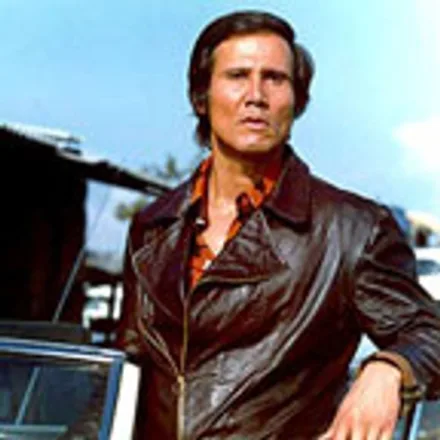
Comments
No comments yet.