Show notes
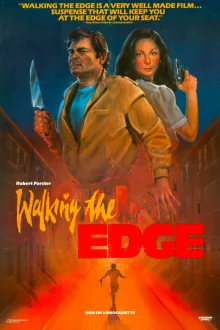
Rahne Alexander (opens in a new tab) and Mark Begley (opens in a new tab) join Mike to discuss this above-average crime thriller.
Labels: Joe Spinell Mark Begley Rahne Alexander Robert Forster
Transcript
An automatic transcript, tidied into paragraphs. It has not been proofread, so names, titles and spellings may be wrong, and it does not say who is speaking.
Show the transcript (about 12,700 words)
Speaker 1: Hold your ears, folks. It's showtime.
Speaker 2: People pay good money to see this movie. When they go out to a theater, they want cold sodas, hot popcorn and no monsters in the projection booth. Everyone pretend podcasting isn't boring.
Speaker 3: Turn it off. Walking the Edge in a violent city down a family torn apart. A woman needs to settle the score.
Speaker 4: If he wasn't pushing drugs to young kids, maybe he deserved it. Danny was my baby, my son.
Speaker 3: He was an easy going man. A nice guy with unfulfilled dreams who's been pushed too far, you'll pick up and deliver otherwise keep your frigging mouth shut. Is that clear? My friends still talk to me that way.
I think I'm tired of getting pushed around a man and a woman. Two strangers brought together by chance, held together by fate. They were one step ahead of sudden death. So I shit sign up, Bob.
This is big time, bad business, man. I mean somebody got a goddamn it fry and you were right in the middle. This is car that ain't no fucking car. How you can get cut in a piece of sugar there.
We're gonna find that lady and cut her up into tiny little pieces.
Speaker 4: I'll never have another chance like that, Jesus. You were trying to kill me. You had to get in the way. You goddamn jack up Cabbie.
Where is he?
Speaker 3: Oh ma'am. The bastard's got Tony. God damn you lady. God damn you being alive, I'll go with you.
Speaker 4: Go to hell.
Speaker 3: You're an asshole walking the Edge, the motion picture that takes you to the depths of human emotion up here, Brewster.
Speaker 4: Dirty son of a bitch. I gave you the best shot I could.
Speaker 3: God damn it. If you'd have been out on the street by now, I was thinking about you all day long. What I was doing walking the Edge starring Robert Forster and Nancy Kwan. Coming soon to a theater near you.
MIKE WHITE: Welcome to the projection booth. I'm your host, Mike White with me. Once again, it is MS Re Alexander. Also back in the booth is Mr Mark Begley.
MARK BEGLEY: Shut the fuck up. I'm whacking off a classic lie. I couldn't turn that one or the mckee's looking to cut your asshole out and send it to the AC L U.
Speaker 1: Wow. MIKE WHITE: I would have gone with tree frogs of green. MARK BEGLEY: Or the hugs. The hugs line is.
MIKE WHITE: The hugs is great. That belongs on a t-shirt. Really? MARK BEGLEY: Well, we'll get into that because it's beautiful.
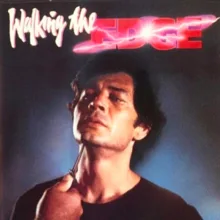
MIKE WHITE: We continue a month of requests with one from listener Jordan Nash, the 1985 crime thriller walking the Edge, written by Kurt Allen and directed by Norman Magle. The film stars. This is Misel Nancy Kwan as Christine Holloway, a woman whose son and husband are slaughtered by Joe Spin as Brew Star and his gang of goons. She's rescued by a cuckolded taxi driver who is in Dutch to the mob.
Jason Walk played by Robert Forster. Perhaps the Walk of the title. We will be getting into spoilers on this episode. So if you don't want anything ruined, please go ahead and turn off the podcast.
We will still be here when you come back after you see this movie. It's easy to find Fun City. Put it out just like a year or two ago. So it's, it's out there.
This is not one of these check temper movies that I was talking about last month. So Mark was this the first time watch for you, sir? MARK BEGLEY: No, it wasn't. And I know exactly the first time I watched it.
Thanks to Letterbox and that date was September 24th, 2021. So a little over two years ago and I got it because of the Fun City editions release. I had been following them for a little while and noticing the interesting titles that they were putting out a lot of which I knew the actors or maybe even the director but was unfamiliar with the film and a few I knew of like Smile and Jeremy and Alphabet City. But there were all these interesting looking titles.
I know Sam Degan brought up her work on. I start counting, which was one of the ones that I had been eyeballing. And then I fell in love with Rancho Deluxe. I caught it on TV.
And they were putting out a version, you know, a release of it Blu Ray release. And I thought, you know what, gosh, darn it. I'm gonna buy some Blu Rays, which I hardly ever do because I just don't have the cash for it. And I thought if I'm gonna do this, I'm gonna get a few so I can get free shipping or whatever.
And so it was, I start counting Rancho Deluxe and this one I think was the most recent release, got the slip cover cases and I think it was a sale was going on. So all this stuff conspired to convince me to get it and I watched it shortly after I got it and he thought it was fantastic. MIKE WHITE: And rene, how about yourself? Was this the first time you feel viewing?
Absolutely. RAHNE ALEXANDER: I saw it for the first time, two days ago and watched it a couple of times since. And, yeah, really, really marinated it in the last couple of days, which is a funny time to be marinating in it with everything else going on in the world. It was like, I'll, take a break from all the world destruction to focus on a little revenge flick.
MIKE WHITE: Yeah, this was the first time watch for me as well. And I was really glad to get turned on to this. It's kind of funny because this year I also had the request for bullet with Mickey Rourke where he's a washed up baseball player and here we are with another washed up baseball player. This also has vibes for me of Vice squad, which I think came out right around the same time.
But this whole revenge and it's, it's not necessarily one night. I want to say that this takes place over maybe two nights. It definitely takes place over a very quick amount of time because we have to take care of things in a very quick succession here. But yeah, the acting is what really sets us apart for me.
I was really glad with these performances and I love Robert Forster. I'm mostly familiar with Nancy Kwan from her work on the Pearl Cream commercials. Back in the late eighties, they used to play those all the time.
Speaker 4: Hello, I'm Nancy Kwan. And you may recognize me for movies and TV, like flower drum song, the world of Suzie Wong and more recently Noble House. Have you ever wondered why? It's so hard to tell how old most Oriental women are since ancient times?
We've had a beauty secret just recently introduced to the Western world. Our secret is called Pearl Cream and it's made from real pearls.
Speaker 8: Pearl Cream actually made my skin glow like a pearl. I feel. I look years younger. I can hardly see my wrinkles anymore.
MIKE WHITE: But, yeah, this was a lot, a lot of fun for me and I am very glad that Jordan picked this out because I probably wouldn't have seen it otherwise. RAHNE ALEXANDER: Yeah, same. This is a movie that probably I passed by in the video stores that I worked in and didn't really necessarily give it a second look as you know, that mid-eighties videotape exploitation thing where I probably would have assumed I've seen, I've seen this a million times or, you know, it just didn't really grab me and I'm so glad that I did such an interesting character.
MARK BEGLEY: So, yeah, and I think that's what separates it from a lot of the other late seventies or early eighties exploitation films because this doesn't get exploitation y all that much the limitations of the filmmaker, the budget and all that sort of force them to focus more on the Robert Forster character, Jason Walk. Now, I have a question. So he's obviously the Walk for the title. Walking.
The, why didn't they call it? Walk on the Edge because his last name is Walk. I mean, it's basically the same or Walk the Edge the in there is throwing me off. MIKE WHITE: Apparently that wasn't even the title until after the movie was done.
I was really glad that that Fun City ported over the Anchor Bay commentary with this because that was really interesting to hear from Juan Forster and Misl all at one time and to get their recollections on. RAHNE ALEXANDER: It, I think it's in one of the commentaries I heard when they're talking about the phrase, take it on the, on the arches, which apparently originates from taxi driver and like the amazing threads that, that lead to this film and then spin outward are, I think you situate this in a really, really, really interesting way.
MIKE WHITE: Yeah, I was glad for that extra where it's Randy Jurgensen, who I actually spoke to a long time ago when we did an episode on Cruising and he had worked with Spinal. Joe Spinell a few times and just hearing his stories about Joe Spinell. Just amazing. Joe Spinell shows up in the weirdest places like the, what was it like?
The, there's a videotape of Steven Spielberg. I can't remember. It's the night of the Oscars when he gets passed over and I can't remember if it's nominations. MARK BEGLEY: I think it's nominations you're listening to or watching on the TV.
And he gets, he doesn't get nominated. I believe I've seen the clip you're referring to and I think it's for the nominations because they're all sitting in a room somewhere. And, yeah, and he's there, he's. MIKE WHITE: There, him and Spielberg and I think it's one other guy hanging out and I'm just like, what is this?
I would love to be a fly on the wall. When Joe Spinell and Steven Spielberg are hanging out.
Speaker 9: Godfather was nominated for the best picture and won. But the director Bob Fier Cabaret won. That's both shit. You cannot have the best picture unless the director is also nominated.
Who made the picture? Somebody's mother? Director, this man made yours. Are you kidding?
Who's kidding? Who around here. MARK BEGLEY: He likes to refer back to taxi driver a lot because there are numerous taxi driver. Riffs in maniac.
I mean, he steals a lot of lines from his part and from De Niro's part in that film. So when that take it on the arches line pops up like man going back to it again and. MIKE WHITE: There's a taxi in this movie. And I like how mill was like purposely framing Nancy Kwan in the back seat like she was Betsy from taxi driver.
I'm like, oh, that's kind of nice. That's kind of nice. RAHNE ALEXANDER: Yeah, I liked it also as somebody who often tried to get taxis in Los Angeles in the mid eighties. How like absurd.
The idea that this man is making a living as a taxi driver in L A. MIKE WHITE: Is, well, I like that he's taxi driver but really it's a cover for him being kind of like a racket and that he's collection agent going around and trying to get money for his boss who they keep calling the fat man. And like, I don't think he's that fat. That's a weird, weird nickname.
So, maybe they wrote that and had all that stuff filmed before they actually cast the guy who's the quote unquote fat man. Or maybe he lost a lot of weight. I don't know, maybe. RAHNE ALEXANDER: The fat refers to his wallet.
MIKE WHITE: Oh, like a phat. MARK BEGLEY: Maybe Joe Spinell showing up in odd places. And I think one of the oddest is Rancho Deluxe, the movie I mentioned earlier because it's not a New York. It's not an L A film, it's not a New York film.
It's not Gangsters or mobsters or number runners or bookies or anything like that. And he's playing a Native American in that. Oddly enough, that's like Charles Bronson when he played Native American, you're like, really, he kind of looks like one though way more than Joe Spin does that? MIKE WHITE: Definitely.
Yeah, spin is amazing. I just love watching him in anything. Yeah. Anytime he shows up whether it's, you know, he's all wrapped up in bandages and winter kills in this one, you know, he just kind of shows up and like we've got him in his New York accent and then he got Forrester in his New York accent.
But this is very clearly a Los Angeles tale. And like you said, brain catching a taxi in LA a little bit of a challenge and definitely a challenge when your taxi driver just cares about going and trying to collect money from you know, different deadbeats, but he's not very good at it. And like the whole beginning of this movie, the first act you get to see just how not good at things. Jason is, he's, he's a washed up ex baseball player.
He's still wear his baseball t-shirt and his jerseys and he's constantly using baseball terminology and I sometimes wonder if, maybe that's where the walking comes from, like four balls type of thing. You see him try to collect money from this guy who goes by the number 516, I guess, maybe the, these guys are doing the numbers racket and that guy's just like, yeah. No, I'm not gonna give you this money and then he goes home and his nosy neighbor, Mrs Johnson's like, you get in there, Jason, you see what's going on, you see what's going, she is amazing.
She's like, escaped from like a Russ Meyer film or something. RAHNE ALEXANDER: Yeah, I like how her interaction added like a threes company vibe to the entire film, right? Like, it's just like this comic intersection that, I don't know, it lightens the mood and it certainly humanizes the, you know, our protagonist in a way that you would not expect. MIKE WHITE: I think what I guess the other thing that shows what a loser Jason is that speaking of Russ Meyer movies, he goes to the bar after he finds out that his wife has been cheating at him and there's this amazing chesty bartender who picks him up and takes him home and he can't get it up.
So you get the scene afterwards. The conversation between them afterwards is so genuine and just really feels so nice. Those two talking and she's not necessarily shaming him about things and he's just like, oh, yeah, you know, things are tough and had a long day kind of thing, but it's not like he's being painted as a loser, you know, he's just, he kind of is and you're like, oh, here's another thing for Jason to overcome. So, and eventually he's gonna find true love because Nancy Kwan on the other hand finds out that her husband is a drug pusher who sells drugs to kids in school.
What the hell we. MARK BEGLEY: Need to Brewster, at least. RAHNE ALEXANDER: I mean, we don't see it happening in the beginning of the film. That was the I went back to watch to see like, did I miss something?
He's just driving home in the beginning of the film, right? And it's like, is this like, we really never find out definitively whether or not this man is as bad as everybody says he is. MARK BEGLEY: It seems like there's some stuff missing either that wasn't shot that might have been in the script or maybe that was shot and got scrapped. There are a few odd places where things don't stick together in the jigsaw puzzle and that opening is one of them.
And then I got really confused and this is kind of jumping ahead. But at the end of the movie, which we can talk about later when the a Martinez character gets killed and then there's a phone call immediately after and it's like who the fuck is on the phone? And then earlier in the film, Nancy Kwan, when she goes to the realtor's office, it feels like it's the next day after this horrible thing has happened to her husband and son, but she mentions that she's been in a sanatorium for a while. There's no indication there's been a passage of time, you know, like even a fade, fade to black or anything.
It's like, OK, well, how long were you there? And this all seems to be happening on the same weekend or something, you know, again, constraints, they mention how quickly they shot this and the very low budget and it may have just not even been in the script. I don't know, but there isn't coverage for that kind of stuff to sort of fill in the gaps for the audience. Yeah, they talk about how this, the original cinematographer was passed out drunk on set and that was a poorly lit scene as they were saying that I was like, oh man, yeah, you can really see that.
It's just like harsh shadows on the wall. MIKE WHITE: And yeah, while I was watching and I was just like, oh man, Jordan. What did, what are you doing to me? Because this does not look good.
And even the stuff after spell and his crew slaughter the husband and first they slaughter the son, which is very surprising. And then there's this whole, like, running around trying to find Nancy Kwan thing later on and, you know, she's just hiding in the bushes type of thing. But all of that stuff. I was just like, oh, oh, this looks pretty rough.
Ok. And so once they got into the daylight and, or actually once I got to Jason's cab, I was like, oh, ok. All right. This, this looks way better and then it stays at that level of quality for the rest of the film.
But yeah, that opening is really rough. MARK BEGLEY: That opening, speaking of Paul Schrader stuff kind of reminds me a little bit of the Rolling Thunder, not the opening of Rolling Thunder, but that inciting incident that gets him on his quest for revenge where a spouse and a child are murdered. MIKE WHITE: I was totally thinking that too. Yeah, I was also thinking a little bit about assault Time Precinct 13 because you have that very multicultural gang.
You know, you've got Jesus, you've got mckee who seems like he's African American. You've got, what's the other guy's name? Jimmy? Yeah, who's just regular white guy.
And then you have Joe Spinell who obviously is Native American. RAHNE ALEXANDER: Yeah, I mean, I really appreciated the fact that this film for all of its flaws and for, I mean, for as much as many slurs as you hear over the course of it, like, it really seemed to be intentionally going into this multicultural casting in a way that, like, I mean, I came up in the eighties that was not really done, you know, and so it really, really sets it, you know, sets it apart and, you know, even though I went into this like, kind of blind and expecting this to be, you know, Nancy Kwan's like, I spit on your grave or, you know, something along those lines which is not what I got quite but, you know, like it was still just really like, kept me in it, you know, I mean, I wanna see how they're dealing with all of these characters and just dealing with las specific las multiculturalism and the tensions that, that, that, that brought out.
MIKE WHITE: Because when you think about it, Robert Forster white guy. But then, yeah, Nancy Kwan, other than news reporter calls her an Oriental, which I'm like, oh, ok. Yeah, we're still doing that. MARK BEGLEY: All right, definitely.
Were back then still. MIKE WHITE: And then, yeah, there's some really like blah, blah, blah, slant eyed yada, yada, like some bad things that are being said by the right people, by the bad guys. So it's not like it's Robert Forster saying this and then that his buddy is a Martinez who I love, I just love a Martinez. I mean, he's so great and when he shows up in this and he just, he really helps this movie a lot.
He, you know, he's basically, you can tell from the beginning that he's pretty much dead meat just because he's the hero's friend. But he really plays a great role in this. MARK BEGLEY: I'm always confused as to why he doesn't put a period after the A I mean, is he saying he's just a Martinez and not the Martinez, you know, trying to keep it kind of humble or something because I know it's an abbreviation for his first name. His first name starts with an A but he never uses a period and has always confounded me a little bit.
RAHNE ALEXANDER: I remember like, like he used to be in everything and I was just like, you know, like this is II, I can't even tell you how many shows that I, oh, and I picked him out as, you know, just this character actor. It had been so long since I had seen anything with him in it that, you know, I was like, had definitely had to go back and look up, look up and see what he's been up to lately. But yeah, what a, what a phenomenal treat to have him in this film. MIKE WHITE: Well, it's odd because he's still working and still working a lot.
I think he was in that long, mere show, which I've heard good things about. I know we'll show up in things like, you know, NCIS, like he makes those rounds, you know, I'm, I wouldn't be surprised if he'd been in every single version of Law and Order, you know, running the Gauntlet like that. And he's just, yeah, he's, he's still doing a lot of great work. Apparently he's a musician as well.
I wouldn't mind checking out his music and he just has a really good presence and a great face. RAHNE ALEXANDER: And he was a ball player too. Right. MIKE WHITE: Yeah, ironically bringing it all back home.
And he's one of these guys where he has played native Americans and when spin and his boys are torturing him later on spoilers, they keep calling him Geronimo and I'm just like, yeah, what come on, man, because Jesus Spinal calls something else which I won't repeat, starts with a bean, I believe. MARK BEGLEY: Freebie and the bean. And I'm thinking it seems how would you know, what was the tip off that he's Native American and not Mexican American? Like Jesus was, I don't know another one of those things that's maybe missing from the script.
MIKE WHITE: Well, you need to think that I was like, oh, well, maybe he had an earring with the feather on it. I was like, no, that's Joe Spinell. That's got the earring with the feather on it. MARK BEGLEY: Yes.
Again, right straight off of Rancho Deluxe. You know, I. MIKE WHITE: Love how quickly we move because the first time I was watching this because I've watched it a few times since. And the first time I was watching it, the first act, I'm just like, ok, there's a lot of exposition.
All right, we got him working here doing the numbers, all this kind of stuff. Once Nancy Kwan and Robert Forster Meet, that's when the sparks start happening and it's so quick that she's like, all right. Hey, yeah, I want to hire your cab and he just keeps trying to talk her out of it and she's just like, no, no, I wanna hire you. And we're gonna go over here and goes in and pretty much cold blood, cold blooded murders.
The guy who set up her husband and then goes over and starts to kill all of Joe Spinell's crew. Like all four of them work at one place and she wants to murder them all. And unfortunately, things they'll go as planned because of a well placed hubcap. The hubcap foo in this movie was pretty amazing.
MARK BEGLEY: It happened so quickly. I forget that that's what's wrong with her, you know, later on when he's saying, oh, you got a Raspberry or whatever? I got a cream for that, you know, for, sliding burns or something like that, you know, the more baseball talk. And I'm like, how did she get hurt?
I don't remember that. MIKE WHITE: Yeah. I'm like, that must have been a really sharp hubcap to hit her. The thing that really confused me was when he's putting the knife, like he gets beat up pretty good at this encounter.
And so she's got her things going on and then he's also got like big, you know, gash above his eye and he's taking a knife and putting it on there. And I was like, what the hell are you doing? And I was so glad that he talks about that in the commentary just briefly, he talks about how when boxers are being hit, like the corner man has a big like ice pack or whatever. So he's like, oh I don't have ice.
So I'm using this knife because it's cool and I'm trying to get the swelling down or whatever. I'm like, OK, because I'm like, are you trying to staunch the blood with a knife? What is this? But that's also nice foreshadowing too.
MARK BEGLEY: Which I think he again says in the commentary. That's sort of why, why he used it or retroactively thinking, you know, that's why I use that on my cut. Yeah. The first time I watched the movie, I was flummoxed by that.
I was like, what the fuck is he doing? I thought he was just, you know, just like an odd character pose or something. Like he brought it out to do something else with it and he just decided to hold it up against his head and then when I was watching it the other day, I thought, OK, he's, he's trying to stop the flow of blood or he's trying to decrease the swelling. And then of course, with the commentary, he explains it, but it goes along with his character, but also with a lot of the characters that Forrester plays, especially during this time, they're all kind of quirky and goofy.
I watched Alligator and Vigilante pretty close together a couple of years back and I, so I get them confused in my head in one or both. He's constantly talking about his receding hairline, just like every chance he gets, he makes a comment about his receding hairline. And I was like, is it this one, is it walking the Edge? Is it Alligator or is it vigilante one of those movies?
And he's always got a quirky little thing that he does. And in this movie, he's got like the, you know, all the baseball talk, the, like you mentioned the sweats and the t-shirt, I mean, he's, he's not, never, not in sweats in this movie if I'm not mistaken. Well, he wears jeans too, I guess. And then the thing that I mentioned or alluded to earlier, the three Hugs a day which he brought to the movie and it's just, it's goofy, but it's endearing and it gives him this quality where he's not just, you know, some badass guy that's gonna help her or, you know, even the schlub that gets turned into the bad ass.
He's never the badass in this movie really. He still has that goofy Edge all the way to the end, even when he's pointing the shotgun at Leon and gains his respect and he just kind of gives him a nodding a knowing wink and smile at the end of that exchange. But he's, he's got this quirkiness that I think makes particularly in this movie. His character is so endearing.
MIKE WHITE: I'm really glad that Forster had that resurgence before he passed away because I also like that he knows that he started really strong in his career and then kind of faded, but he just kept working. And I mean, the guy was never not working. It looks like his filmography is huge and he, yeah, he brought a lot to these roles. I love his whole thing with his nosy neighbor where he starts talking about the robberies in the neighborhood and, you know, that's how it starts and all this just he's, yeah, he brings so much to these roles.
That could just be nothing. He could have cut out. 90% of his own dialogue would have been suicide. I mean, he could still play this role as a silent role, but he just brings so much to this and yeah, I love those interactions.
I love how he get, you know, I'm talking about what a loser he is and it's kind of the last time that he is a loser is when he goes in to try to get that money from Leon the first time and gets kind of scared out of there, but then he comes back later and it's like, ok, now, you know, he is going to be successful with everything. And I think it's very important that that's, I think like second to the last scene of the film that we get to see that the redemption has become complete because he's talking about Leon through so much of this movie and he's even got the one Street Walker.
Is it Sharon? I think it is. Who is just like, oh, don't go after Leon blah, blah, blah, blah, blah. And then later on, she turns around as just like, oh, I'm so sorry.
I was so mean to you. I didn't know what was going on. And then she's like, oh, you should go get that money from Leon. He was like, I thought you said not to bother.
She said, oh no, no, it's ok. I really like her too and just such a small part, but I thought she brought a lot to it. MARK BEGLEY: Actually, it's Delia and I made the same mistake. I was reading through your notes earlier and when he pulls up to them, the two of them at the beginning, he says the other girl's name first and then you never hear him say her name.
And so I had, I had written in my notes, Sharon or Cherry or something, you know, it was telling him not to bother Leon and blah, blah, blah, writing that down and then she's in the car later and he keeps calling her Delia and I'm like, is that my goof or is this a character goof or a writing goof? And then I went and I stopped, it bothered me so much. I stopped the movie and I was like, oh, no, ok. The other girl who doesn't talk is Sharon or Cherry or whoever, and she's Delia and she's great.
Yeah, I mean. RAHNE ALEXANDER: I think it's something about this film is that every, every character, even when they only have these brief, brief appearances has a memorable moment, there's not a character that doesn't, which is, I mean, speaks to me as, you know, actors really give, being given the room to grow into these characters to provide everything they want to and they have that encourage by the director and you know, and what it like, what a, what a good thing that, that is. MIKE WHITE: So I was just looking at Frankie Hill, the woman that played Delia, looking at her filmography and of course, I'm astounded that she was in whiz kids.
So nice. Yes. One of my favorites like that guy that shows up in his cab out kind of out of nowhere, but it's his old buddy. What's his name?
Nick or something? He just, he basically, he's there to just dump a whole bunch of exposition right towards the end of the movie and be like, ok, well, this guy's over here and this guy's over here and this guy's over here and just setting up all this stuff. But, I mean, he just shows up and gives all this stuff but then you have all of these other things, like, you know. Oh, yeah, I'll give you some money so you can go, you know, stick it up your nose.
It's like, no, no man, I'm clean and he's just like, there's this whole thing about him. You get all this backstory as well as like kind of the flavor of this person, even though it's like, what a two minute scene. MARK BEGLEY: If that, I believe in the commentary, they finally make the connection because they were confused about that phone call too that, Jason gets after Tony is murdered and they're like, I think it was Nancy Kwan says, ok, I think he's the guy that calls him to get him to the, to the auto body shop.
He knows everything apparently. And I don't know if he stumbled on Tony. What? But supposedly Mick or Nick is the guy that called him earlier and then now he's in his cat or in the car giving him all the information.
I don't know if that's true but because I couldn't even hear the conversation either time I watched the movie. MIKE WHITE: I watched the movie with headphones on today and I swear it sounds like Delia on the phone, but yet it's very confusing that she's just like.
Speaker 10: Something's happening over at Tony's garage. Tony. Yes, Tony, man. You gotta get over the shit's hi.
How about Jason? Help me? Just not there. Hello, Tony.
Jason? Goddamn it, Tony. It's Tony. MIKE WHITE: Like they don't connect.
It's like they're talking over each other and there's no, he doesn't seem to realize what's going on. And so, yeah, it's a very, very confusing thing, but I'll drop the clip in here and folks can take a listen for themselves. But yeah, for me, it kind of sounded like Delia. But yeah, it's just a very confusing little moment in the movie.
MARK BEGLEY: I think that makes sense actually. And I don't know why I didn't watch the movie with subtitles, but I didn't because it probably would have had the character name on there and as well as what she was or he was saying that I was also confused because I was like, Tony, you mean Geronimo? Well, and then he says Tony too. So that's like you can't be talking to Tony.
Tony was just killed. So, what, what's going on? MIKE WHITE: Tony was killed? And also speaking of weird audio, the way that his groans kind of just get repeated a few times while he's being tortured and stuff.
It was like, ok, I mean, that torture scene, oh, that is rough, man. There's a couple rough parts in this movie and that's definitely one of them. MARK BEGLEY: And I think it's to the movie's benefit that they're not as, again, the budget constraints, reducing the amount of special effects they could use. So they're doing the tricks of, you know, taking another show, you know, doing some inserts and stuff of the action, not the action but away from the action so that we don't have to create anything elaborate, showing this guy get his ear, actually cut off.
You know, oddly enough that would get stolen later for another film, a couple of things probably stolen from this movie for that one. But we won't get into all that. RAHNE ALEXANDER: Vincent and Theo just has nothing on this movie. MIKE WHITE: Fricking Spindle with all of his great insults when he's their morning, Jesus at this punk rock bar that we go to a few times and when he's yelling at his boys, he's just like, it'll take two of you to make one fucking moron.
I'm like, I love it. I love it. MARK BEGLEY: You know, that stuff he brought to that script as well. That's a spin line if I ever heard one, Jesus.
MIKE WHITE: Dies and apparently mckee doesn't like Brew Star very well. I love that. The guy's name is Brew Star. Br Us Star.
I believe it's spelled Brew Star and mckee calls him Bruce and that really sets him off. I like the outfit that he's wearing when he's at the batting cage and the red cap and he's got the gut going on at that point and then when he starts to beat on the key, I'm just like, alright, this looks really fakey here, but I don't care. MARK BEGLEY: That's, that's another one of those hallmarks of, we don't have a stunt coordinator. We don't have stunt men.
So you're all gonna do your own stunts and sometimes they work the leaping into the cab that both Forrester and Kwon Do solid. RAHNE ALEXANDER: Yeah, that was a great fight stuff. MARK BEGLEY: Yeah. The fight stuff.
Maybe not so much. And I think some of that probably could have been cleaned up with editing, maybe to make it a little more convincing. But, you know, we're not really focused on that in this movie. It's not necessarily about the action or the violence.
It's these characters and they've got good characters. MIKE WHITE: Because there's a whole montage. He goes back to that 516 guy and gets the, he collects the money and then there's a whole montage of him going around town and collecting all this money and throwing him into his sock. Is that money for him to go on the lamb or is that money for him to give to Nancy Kwan's character to get her out of town?
RAHNE ALEXANDER: That's a good question. I don't know what his motivation is there really because clearly he's not just doing his job anymore. Right. He's put a little way for later for somebody, but it seems like, you know, I mean, they are gonna go off together in the end, spoiler, they were going off together in the end.
And so I'm not convinced they're staying together for the long term necessarily, but it's, it's at least to get them out of where they are. And I mean, clearly he needs to get out of his rut. Right. He's stuck, we know this throughout the film.
He's, he's a stuck person and you know the what Christine Holloway is probably at risk of being stuck as well. Right? Like my family has been murdered and I have to do this thing and if she gets caught, she goes to jail for all the crimes she's committed in response. Right.
So she needs to get away. So that's a mutually beneficial kind of, kind of project. I think that he's, he's working on there. MIKE WHITE: When she does get stuck.
Also in the film, while the two of the goons are calling on the phone and just letting it ring and ring and ring and it's just driving her crazy and she can't pick up the phone because that'll tip them off. That somebody's there, even though they don't know where there is and then outside is the nosy neighbor and she's just like, what am I gonna do? You know, I can't go outside because of Mrs Johnson and I can't pick up the phone and I've got this ringing phone here and she's just, like, is stuffing pillows over it.
And I'm like, yeah, this, this really sucks for you too. Like, you are stuck in this house. You're basically on house arrest with this. MARK BEGLEY: I think if you disconnect the phone it'll still ring.
I think you're right. I'm trying to think back in my childhood, you know, when we actually had those kinds of phones and I'm pretty confident that it just disconnected or most of them had a little switch. You could turn the ringer off. That's right.
MIKE WHITE: Yeah, it was right there on the side. I can see it like kind of clear plastic. MARK BEGLEY: Exactly. So anyway, but it's, it's interesting how this switches from her story to his story, like pretty quickly once, once they connect and are back at his apartment and she can't leave, then it's him.
And I think the first time I watched it, I was really confused by that. I'm thinking, wait a minute, is he now taking on the mantle of revenge or? And is Leon connected to these guys? And is everybody connected Delia, all these people?
Because she says to him, you know, everybody knows how to find you right now. They, everybody knows you're in Tony's car, this, this and this, but I don't think they're as connected as it appears. I think it's just that his story of collection is now attached to her story and getting her out and I do think that the money is to get her out of there. I, if together.
Yes, but definitely to get her out. And that's maybe why he's so much more aggressive about it. But that, that sequence, I love, I love those montage sequences of like collecting the money. It makes me think of fast times at Ridgemont High and Damone trying to collect the money for the abortion even though he doesn't, he just makes phone calls.
I kind of knew this in my head as I was watching and I'm like, he's just walking into those places and walking right back out. And then they mentioned that exact thing in the commentary. And I was like, yeah, it's, you know, stolen shots, Walk in, there's two stores right next to each other, just Walk into one and then Walk into the other and we've got it, we've got it on film. He walks out, he's holding an envelope like he just collected.
That's so great. MIKE WHITE: At knowing what this movie was about when I looked at the cover of the Blu Ray and the, and the poster where it's just him on it. I was like, oh, maybe Nancy Kwan dies like halfway through this movie and then he has fallen in love with her. So now he's gonna get revenge.
I'm glad it didn't go that way. And I'm glad that those scenes of them together, they feel pretty genuine because they're really angry at each other the first time that they really, ok. I can, they have a conversation but like in the cab after she's murdered peoples, they're going at it though. His attitude changes at one point when he realizes that she's hurt and then it's just like, kind of feels some, some concern for her.
And then there's the argument that they have back at his place and then there's even the argument later on that ends up becoming the sex scene where they're just going at it again and then, like suddenly gets diffused. It's almost like we are meant for each other kind of thing. And that could, if that wasn't played right. It would be really bad.
But I think that they have the right chemistry and that they have the right pacing to that so that I'm like, ok, this, this works pretty good. And then I know that Nancy Kwan wasn't a big fan of it, but I thought that the inter cutting between the lovemaking scene and the a Martinez torture scene really actually worked very well because it's, you know, oh, you know, Jason, what are you doing? You're, you're making love with this woman while your best friend is being tortured just to keep from telling Joe Spin where you were at.
So I was like, oh, that, that's kind of a nice amping up of both, both seeds. RAHNE ALEXANDER: It was a little rough. I mean, it was definitely a little rough. And I think that one thing, like the, especially the second time II, I took a look at it.
It starts when he starts talking with the neighbor about like all the crimes that are going on and suddenly he's talking about rape a whole lot. Like he's just bringing it up a lot. And I'm like, ok, Jason, what is haunting you in particular? And that, like making that realization really cast another, you know, it made me cast another eye to that inner cut of the sex and the violence and again, like situating myself back in the eighties and like the tensions between how sex and violence were depicted and you know, how clearly the culture seemed to be moving away from sex about connection and to just about sex, about exploitation and then, you know, elevating violence, right?
MIKE WHITE: Yeah, because there's discussion of her being like, oh, are you gonna, are you gonna have your way with me? And I'm like, oh, that seems kind of out of left field. But I think it's coming from the exact same place that you're talking about rain. RAHNE ALEXANDER: Did he rape somebody?
And that ended his baseball career? You know, that is like a thing that is kind of in my head or what is his connection there? And now, you know, it's a place where I think a little extra time on this might, might help flesh this out. But, you know, I mean, it, if this is a character who's really trying to find redemption for whatever he's done in the past, like he still seems to be moving his, you know, moving his way towards it and, you know, and is the good guy, right?
Like we never really see him make a move that I think would be construed as rapey for lack of a better word. Right? So, you know, up to the point where, like, I think that's what made it so jarring, you know, having watched it already one time and really realized like, oh, so this is a character who's just on like a redemption arc. But then for him to like in just a short amount of time bring up rape like four or five times in different sections in the film, yeah, it just made me really wanna know more about what that character's relationship was to that kind of sexual violence.
MIKE WHITE: That's a really good question as far as how did he even get into the position he's in at the beginning of the film? Did he start doing a Pete Rose and betting on baseball or did he blow out, his other elbow or something? You know, I don't know what it is because his elbow seems to be good, especially when he's throwing pool balls over at Leon. That scene is a very interesting scene because it's great that Jerry Jones shows up.
I love Jerry Jones, you know, of course, you know, the being in Dolemite and Disco Godfather and the long goodbye, I mean, you can't get better than that for me. He's got that great voice, but they call him Gabby because he doesn't talk very much and I'm like, I kind of want to hear him talk more. Or maybe even if he switched roles with the guys that plays Leon because Leon is definitely not an actor and he's definitely being ad r the very first time we hear from him and then every other time he speaks, ok, I can see why they ad r you because it's really kind of rough.
It's not terrible. It's not the worst acting in the world, but it's pretty rough. MARK BEGLEY: I like that guy's voice. I didn't even notice that.
How funny.
Speaker 1: Yeah. MIKE WHITE: The very first time you see him from the back and he's talking to Jason and I'm just like his voice doesn't sound like this in a few minutes. MARK BEGLEY: And I think there's a couple other spots in the gas station. Maybe that was a yard, had just had a different kind of tone to it.
The rape stuff. Yeah. I just thought he was trying to make sure that Mrs Johnson would stay in her apartment. I'm surface level.
I don't, I don't tend to dig too deep and stuff, but now I've got all these questions. What did he do? What is he a good guy? Come on, Jason spill the beans.
Why aren't you playing baseball anymore? Now, I need to know a lot of ball jokes. He gets totally losing his balls a lot. And I think there could have been a very good line at the end of the movie, they missed their opportunity.
But, Leon should have said you've got some balls on you, man. RAHNE ALEXANDER: Yeah, I don't know. Missed it. But I think this haunted us is like, what again?
I went into this the first time expecting to just see like a mid-eighties exploitation grindhouse kind of film. And then upon second viewing, having realized through the commentary that this was intended as a John Garfield film and suddenly like the movie just really made sense like, oh, this is a, this is a noir, L A is in it, right? L A is doing L A's job as a noir film. Here's a man who is haunted the way a John Garfield or you know, character or any of the other, you know, classic noir guys were.
But like, you're not able to see this as a noir because the lighting is not that right, it's not in black and white and, but at the same time, I'm like, OK, this is some thing that's making me really feel so much more endeared to this film. And of course L A being L A, you know, definitely this movie made me want to go back and watch Los Angeles plays itself again. You know, just the way that, that L A vibe makes Noirs function in a way that I don't think really other, other cities tend to tend to do. MARK BEGLEY: It's, it's a lonely, crowded place.
That's what I always think of L A as like and the opening of the husband driving on the freeway and there's a lot of scenes in cars which I know was hard for them to do on such a low budget. But just seeing that early eighties L A those streets, even when they're driving on sunset and you see all the I've driven on that stretch of sunset. I don't know how many times over the years and you know, exactly where those billboards are gonna be. And, you know, in a couple of months they would have been totally different billboards and seeing the old tower records on the sunset and all that stuff.
MIKE WHITE: It's, yeah, which is right across from Mr Jonathan Salon. So I was very happy whenever I see that. RAHNE ALEXANDER: I love the Tempest. Billboard, the Cassavetes Paul Mazursky, Tempest.
I was like, oh, I got to see this movie, I gotta stop this movie so I can watch that other movie. It just reminded me of how much I love that film I was glad to see Officer and Gentleman. MARK BEGLEY: I mean, so, you know, it was definitely shot in 82. But yeah, the release date I guess is in question.
But, and like I mentioned at the beginning, I'd never even heard of this movie before and if it was out on video on the eighties, possibly under a different title, I have no recollection of that. Unfortunately, I do have to say that Jackie Brown was my introduction really to Robert Forster and hearing all that, you know, reviving his career. And I'm like, who is this guy reviving what career? I don't even know who this guy is.
I don't think I had seen medium cool even at that point and definitely hadn't seen Reflections on a golden eye, but, you know, even the eighties staples like Alligator and maybe vigilante, I had, I just didn't know who he was until then and didn't really, I don't think had much of an opportunity to go back and see a lot of those movies, even at that time, whenever Jackie Brown came out, I doubt a lot of this stuff was on video. So it's only been like maybe over the last 10 or 13 years where he keeps popping up. And these, he's, he's the lead role.
But, you know, the movies are like way down on the budget totem pole or, I mean, Alligator is a great movie. Vigilante is great too, but they're not, they weren't, they may not have even played my town when they first opened. Who knows? But, he's just such an interesting actor and, unfortunate that he went through that big dry spell, I guess.
MIKE WHITE: I mean, I would have liked to have seen Michael. I'm keen back for Twin Peaks the return. But I thought that he played a great Harry S Truman. Actually, he was Harry's brother.
I thought that he did a really good job in that. I like the connection because he's, he's also on Mulholland Drive as one of the detectives there. Some great super dry humor. I'll be honest, I'm, I'm kind of right there with You Mark as far as his career because I mostly just knew him from being in the black hole and I know that he would show up in other things like tales from the dark side or murder.
She wrote just like little pieces here and there, but I wasn't like big fan and then when it was him and, Pam Greer across the screen from each other and it's just this kind of, not a, not a septage and more like a seo and romance between these two. I was like, oh, this is really nice. Like these two people kind of un unhinged in the world, you know, un unattached and kind of aimless finding each other. I thought that was really good.
And just that, that movie other than the end, which I can't stand the third act of that film because of all the weird time flipping things that it does, which I just didn't need it. But I like that. It really captures Elmore Leonard very well. And I don't think Elmore Leonard did all that time stuff in his book.
I think it's much more straightforward. MARK BEGLEY: Yeah. And he's got a little bit of that quirkiness even in that role with the tape, you know, going and getting the tape and going to watch movies by himself. And he's a, he seems like he's kind of a goofy guy in a lot of these movies where you're expecting a tough guy.
What does he say in this? I'm not the hero. RAHNE ALEXANDER: And I'm also not the, so he says, I'm not a hero, but I'm also not a murderer. MARK BEGLEY: I guess we could all say that at least so far.
The second part, at least. MIKE WHITE: When the movie starts the real revenge stuff after Tony is dead, we are in high gear with all of this murder and mayhem that happens. And I love it. I really love it because it's only quote unquote, only, only three people that he asked to murder at the end of this because Jesus is dead.
So you got the three guys including Joe Spinell and like I said, you've got Nick or Mick or whoever comes into the cab and just tells him where all these people are and he's like, ok, great. So it's like, all right, I'm gonna go over here and you know, I'm gonna rescue this old herbalist in Chinatown and I'm gonna, you know, get that all taken care of. I love that. The actor's name is Peter Pan.
That's so great. Love that scene. I also love that. You know, I was talking before about how they don't really, they don't really make a big deal about Nancy Kwan being Asian.
But that they do have like, oh, I can go hide out in Chinatown and again, to your point, rain, it's Los Angeles. We've got Chinatown, which you could hide out in there. And just, it's kind of like the Kaz B you know the in is it Pepe Le Moco or I can't remember which one it is, but it's just like, OK, once you get in there, like you're safe and she goes in and you know, the guy's trying to find her and everything and almost cuts that old man's hand off. That was extreme.
But man, when he comes in, when Robert Forster comes in and attacks that dude and it fucking slits his throat in that one quick motion. I was like, oh wow, I did not expect that. MARK BEGLEY: I thought he did the old break your neck scene but missed the knife and that. MIKE WHITE: Or maybe it was just a knife.
I had to watch it again but I thought it was a knife cut on that one. MARK BEGLEY: I mean, he was wrapping up his knife in the sandpaper, right? So that makes sense. I didn't even think about.
MIKE WHITE: That because then he uses his life too on mckee by stabbing him in the back at the punk rock club. MARK BEGLEY: That scene was brutal. Now, that was brutal. He keeps pulling up on it and, like, talk, you know, am I doing it?
Right? And I'm like, oh, man, that was another one of those missing pieces scenes though where they're talking on the commentary where he's supposed to be throwing mckee out the window. And I'm like, that's what he's doing. You have a non-existent window that wasn't there apparently.
And I'm like, oh I thought he was just putting him in the stall. MIKE WHITE: I didn't catch that at all. MARK BEGLEY: Me either. Wow, that was rough.
MIKE WHITE: The light that you used at the opening of this about shut the fuck up. I'm whacking off. There we go. MARK BEGLEY: The way he says it too.
It just makes it. MIKE WHITE: Oh, it's so good. And then when he goes out and he talks to the bartender just take this fucking music of yours and shove it up your Kazoo, right? MARK BEGLEY: Kazoo.
That's, that's the goofy stuff. I'm talking about like who says Kazoo? MIKE WHITE: And then the whole thing how he like takes the dead bodies to where Brew Star is and let them around to like hang down and scare Joe Spin. MARK BEGLEY: It's the Halloween game.
Totally. MIKE WHITE: It's Halloween and it's mixed with Black Belt Jones. It's like the scene in Black Belt Jones when he goes into the dojo and is trying to find Jones and they've got all the lights off and then they'll turn the lights on and punch a guy and then turn the lights off again. MARK BEGLEY: A little anti climactic.
When he takes out Joe Spinell, I could, I could have used some pizza there. But you know, what are you gonna do? And I was, I was expecting them to turn the drill on him in payment for what they did to Tony. I mean, the.
RAHNE ALEXANDER: Drill does make an appearance. MARK BEGLEY: So, you know, it does make an appearance and it's kind of fitting. I think it's maybe a little more towards his character to just sort of drop it, you know, and say that line instead of actually using an autumn because he's not an animal like they are. MIKE WHITE: So, no, he's definitely more elevated.
And it took me a while to figure out what they were saying towards the end both times, even after I knew what he meant, it still takes me back where he comes in it. Leon is playing pool. We get to see the front of the club that they're playing the pool in and get to see the people waltzing this like upscale place and he goes in front of the sheetrock. Right.
Yeah, go back in there and there's, there's Gabby and Leon playing pool, but he says Forrester's character says you've been playing against Gabby for nine hours and I'm just like playing, playing Gabby for nine hours. What does that mean? And then finally I'm like, oh, Gabby's the Jerry Jones character. Ok.
So I'm like, oh, so all of this stuff has been happening. Yeah. Like, not necessarily real time but, like, it's been nine hours since that earlier scene that we saw. MARK BEGLEY: And they've been playing pool the whole time.
MIKE WHITE: I've been out murdering people and you've been here playing pool. So, I think you owe me that $2500 out of the 14 grand that you're winning off of Gabby right now. MARK BEGLEY: Yeah, that club was one of the my. Ok.
Yeah, this is a low budget movie. And then in the commentary, when they mentioned that, that restaurant, you know, they show the exterior of the el conquistador and then the interior of somebody's house and I'm like, yeah, it didn't look quite right to me. But I just thought, you know, I mean, I don't know, it's an old restaurant. Sometimes old restaurants look kind of dumpy on the interior.
MIKE WHITE: It's somebody's house and then I love how that he doesn't necessarily know if she's going to show up at the end. It's this kind of will they or won't they moment? And when she shows up, you're just like, oh, this is so sweet. It's like I've just been watching this really low budget revenge movie, but this is such a sweet moment that they're together and I'm being 100% sincere when I say that because it's just a nice moment.
Yeah. No, it's good. MARK BEGLEY: It's a nice break from the nihilism. You know, if this had been made four years earlier, it still has a little bit of seventies tinge around it, you know, even shot in 82.
It's, it's one of those early 80 films that still has that it's been rubbed off on, you know, by all the seventies nihilistic films. But it doesn't have that ending either where she ends up. They found her before he got to them and she's actually dead or she doesn't show up or whatever it could be when. MIKE WHITE: I do that great fake out too.
And it's Mrs Johnson on the bed. And you think that it's her? I was like, no, don't kill Nancy KW. Even though I thought you were going to, please don't kill her.
Yeah. MARK BEGLEY: But poor Mrs Johnson. She never heard anybody that is kind of a bummer though. MIKE WHITE: Heard her amazing bad wig that she's wearing.
MARK BEGLEY: Oh, she's, my grandmother wore almost that exact same wig. So every time when I watch this movie, I kind of chuckle. MIKE WHITE: It's, that used to be such the thing that women would wear wigs. My grandmother had a ton of wigs.
I think my mom had wigs. It's like, ok, when, when did that start to go away? I wonder. MARK BEGLEY: Oh, gosh, sixties, seventies.
MIKE WHITE: She had a really long career and I've seen her in a bunch of stuff of course, I think most people would recognize her as one of the farmer's wife owns. What is it? Twin Pines Farm where Marty mcfly goes back in time. Yeah, she's, she's the farmer's wife in that one.
MARK BEGLEY: I have to mention one other great line that Leon pulls off. I think it's the first visit. That Jason makes to hit the pool room, the club he says, but you come in here and fucked up like a white person and that is like that is so good. That is so good like you do.
MIKE WHITE: I mean we've all been there. MARK BEGLEY: I will definitely own that. I have done that. I have walked in somewhere and fucked up like a white person numerous times.
MIKE WHITE: I pretty much do it every day. MARK BEGLEY: I think any time I leave the house I do. MIKE WHITE: So do you all have any final thoughts about walking the Edge? RAHNE ALEXANDER: I really miss blue sugar free Dr Pepper.
Apparently there was like a Yeah, I was wondering what there's like a Doctor Pepper placement. Somebody loved Doctor Pepper or they got a little cash but yeah, I was like, oh my God, look at that. I had to freeze the frame. Take a look at that 19 eighties blue sugar free Dr Pepper.
Can that really brought me back in a big way? MIKE WHITE: Alright. You are making me look up something that I wanted to look up. Yep.
There it is. Ok. 1981 film student bodies. That movie was definitely sponsored by Dr Pepper.
It is everywhere. So I'm wondering if it was like the early eighties, like, did Dr Pepper just have all this money it could sink into product placement. Was this like the David mcnaughton time? RAHNE ALEXANDER: Like it was as soon as they said there, if so it was money well spent because it worked on me.
MARK BEGLEY: I was trying to figure out I'm like, was that one of their other flavors or is that just a sugar free? RAHNE ALEXANDER: It was just weird guy. Dr Pepper. MARK BEGLEY: That just seems like a weird color for a can of soda.
I don't, no light blue just doesn't make sense to me for some whatever reason. I don't know why don't forget tab. MIKE WHITE: Was that not quite pink but still kind of pink? It was like, yeah, it was a strange color.
I mean, I guess when we all had like avocado colored refrigerators and brown everything. Oh, yeah. Yeah, there's that great meme of like people think that the eighties look like versus what it actually looked like. MARK BEGLEY: Yes.
The neon versus the drab green baby poop brown. That was the real world. MARK BEGLEY: That good stuff. I will say.
I like that. The movie ended kind of full circle with them leaving. They're not on the freeway but they're driving off one of the main L A streets at night and we open with the shots of the freeway. At night as well.
And I think he says one of them says I like jazz and that's the last line. And it's great. MIKE WHITE: Yeah, because they were arguing about the song on the radio earlier. MARK BEGLEY: She says she likes jazz and then she's like, turn it off.
Right. MIKE WHITE: I got one. Right. Right.
And then suddenly he flips the channels and it's like Free Bird or a guitar solo from Hotel California. And it's just like the song's almost over. Alright. Let's go ahead and take a break and play a preview for next week's show right after these brief messages.
Yeah, that's right. We'll be back next week with a look at our K as our month of requests continue until then I want to thank this week's co-host rain and Mark. So Mark, what's the play this with you, sir? MARK BEGLEY: Well, I'm slowly getting back into doing regular episodes over, wake up heavy and kind of stumbled on a cannibal theme for some reason.
So I talked briefly about Motel hell, which people should definitely go check out your episode on it because it's much more in depth and knowledgeable than my little thing. And Chris and I are been trying to record an episode on Bob Balaban's parents and then I think I'm gonna throw in a little episode on Derham as well. So I don't know what it is about cannibal stuff right now, but I guess I'm getting ready for the holidays. Maybe my other show Cambridge and with Sean is released the first Tuesday of every month.
And that is me and an old buddy of mine talking about weird stuff that we were obsessed with when we were kids that's more regular than the other than wake up heavy. But, less frequent, I guess. MIKE WHITE: I love how your podcast kind of explore just stuff that you like and I really appreciate that. MARK BEGLEY: That's, yeah, that's kind of otherwise it's like, why am I doing this?
That's sort of why I've disappeared a little bit too is I'm not gonna keep talking about movies that I didn't like watching. MIKE WHITE: What's The Point and Ring, what's happening in your world? RAHNE ALEXANDER: Well, I'm coming to the end of my part pretty long project where we've been going out to collect oral histories from trans people in Baltimore and that's gonna turn into a podcast sometime in the coming year as well. So, yeah, I've been going out and interviewing a lot of people from, various time time frames and their engagement with the trans community in Baltimore.
So, it's been a really fascinating deep history. MIKE WHITE: That sounds great. RAHNE ALEXANDER: When did you say that might be out, sometime in 2024 we're still gonna be in production, but I'm, I'm finishing my interviews and there's a few other people that are part of this project as well. So, yeah.
Well, I'll have to let you know when it's coming out. You can always check me on my website, which is just my name rain.com rahne.com. And, I'm sure that I will have news there when it comes around and Mark. MIKE WHITE: You're still over at Wake Up Heavy.
Com. MARK BEGLEY: Yes. And the shows are on weird and way media.com which I forgot to mention. And I'm on most social media just at Wake up Heavy, all one word.
MIKE WHITE: Well, thank you so much folks for being on the show. Thanks to everybody for listening. If you want to hear more of me shooting off my mouth as well as all of Mark stuff. Come on over to weirding way.
Media.com. All the shows that I work on are over there. Thanks especially to our Patreon community. If you want to join the community visit patreon.com/projection booth.
Every donation we get helps the projection booth take over the world and you my song been, I'm good.
Speaker 3: That one I to then what? You too. Just the way. Get the fuck up.
I'm whack it off.
Watch
Music credits
- "Walking on the Edge" - Scorpions
Links & resources
Related episodes
Episodes that share keywords with this one.
V.I. Warshawski (1991)
Shared: Rahne Alexander
Sara Paretsky, David Aaron Cohen, Nick Thiel, Jeff Kanew and others
Comments
No comments yet.