Special Report
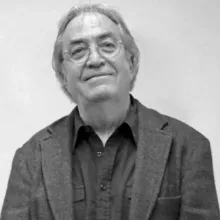
Interview with Fred Freeman
Show notes
Mike spoke with filmmaker Fred Freeman about his work from '60s sitcoms (Bewitched, Gilligan's Island, etc) to his features like The Big Bus, S*P*Y*S, and more.
Transcript
An automatic transcript, tidied into paragraphs. It has not been proofread, so names, titles and spellings may be wrong, and it does not say who is speaking.
Show the transcript (about 5,900 words)
Speaker 1: Hold your ears, folks. It's show time.
Speaker 2: People pay good money to see this movie. When they go out to a theater, they want cold sodas, hot popcorn and no monsters in the projection booth. Everyone pretend podcasting isn't boring. FRED FREEMAN: Turn it off.
MIKE WHITE: Hey, folks, welcome to a special episode of the projection booth. I'm your host, Mike White. On this episode, I am talking with Fred Freeman. He is a writer who has been working in the industry for quite a while.
And I spoke to him about his early career, but mostly about a little bit about start the revolution without me. The movie spies, the Big Bus and a few other things along the way. Mr Freeman was a great, great interview subject and I had a lot of fun talking with him and I hope you have a lot of fun listening to him. Enjoy the interview.
You have been in the business for so many years. I'm very curious. FRED FREEMAN: Oh, God, you're not nearly my age, but I would, I guess my first job, my first partner was Gary Marshall and I met at Northwestern and then we became a writing team for a while. We worked first.
Our first professional job was the old Jack Parr show who was, I don't know if you know what that is. It's like Johnny Carson and so forth. And then we came out to the West Coast, we used to write for Joey Bishop and a bunch of comics and Joey was having a half hour comedy which he shouldn't have had, but he brought us out. Gary wanted to stay in New York and I said no, in 1960 or 61 the business was all going to the West Coast.
So I convinced Gary to come, let's go out there. And so he wrote for a while and Joey Bishop's show was Joey was a good supporting character but not a lead character to me. And that's what everyone was looking to grab any comic or someone that they think could carry a show and not easy to carry a show to me. There aren't too many people that can do it, especially comedians and so forth.
MIKE WHITE: You talked about how hard it was for Julie Bishop to carry a show, but it definitely wasn't for and Andy Griffith and I know you wrote a lot for him as well. FRED FREEMAN: Yeah. Yeah, I like that show. That was a very hard show to do, but it was worth it because it was more character driven than joke driven.
I was writing it with Larry Cohen who has passed away since and we did one episode of, I can't remember it, but we thought we were almost embarrassed to hand him because it was so dull. We thought, and that was the episode. There was no rewrite on at all. But Andy Griffin was, I, like, he was a nice guy.
We sat in story conferences, the original writers that were there. I think they were very good. It was a good learning experience. Really?
And Dike and Bewitched and, 00 God, what else? Oh, Gilligan's Island, of course, which I used to have to get drunk and stoned to write because I thought it was so silly. But then I realized that people would love it that I heard it. I, that I wrote it in, oh my God.
I couldn't understand it frankly. People really liked it, but I guess I got used to just saying thank you. And then I didn't go further saying it was stupid. But producer Sherwood Schwartz was good producer because it was very easy working for anyone that says I like that.
I don't like that rather than saying, I don't know if I like that or not, maybe you can come up with something else. So it's always that whether it's a boss in the garment business or on television or anything when someone knows what they want, it's great. If you're working for them, you. MIKE WHITE: Mentioned Larry Cohen.
And I'm very curious, how did you meet him. FRED FREEMAN: In New York? What I did when I went with, I just before I went to New York from Chicago joined that, they had a program, a six month program in the army where you go in for six months and then you go for reserve meetings for God knows, six years or something like that. And so when I came out to LA, I was in reserve meetings and I met Larry Cohen there, Gary and I broke up because I quit the bishop show.
I couldn't end it anymore because he was awful. And what I remember it was a story meeting. And I remember I used, oh, I was pretentious college student. You used the word like the protagonist, Joey.
What do you mean the part bullshit protagonist? And we got in a fight and he says, if you don't like it, you can get out of here. And I said, I think I will. And I said, Gary, if you want to stay and Gary who is much more pragmatic and practical than I was, he said, ok, I'll stay.
So even though we worked again together on certain shows, but we remained close friends until he died. I was in his hospital room when he passed away, we were just very close. I would usually read over the screenplays or that he did give him my two cents or comments or give him an idea or whatever. So it was always a good relationship for many guys.
A lot of years 1956. And anyway, Larry Cohen and I wrote a lot of pilots and stuff like that. CBS loves the pilots. We did because they were so outrageous.
I said, oh, they're wonderful. But we'll never put them on the air. So we did a pilot of Henry the eighth with a son and daughter. We did a pilot about the underground railroad with the plantation and the Black, black Black.
The, if you know what the underground railroad was actually, I think it came into Detroit. Also Indianapolis, I think was the set of it, helping the blacks come north and we wrote crazy stuff and it was pretty funny. Some of them got the pilot. Some didn't.
But they said we could never put them on the air. So we amused the executives and we wrote, started, did our first feature in 1970 with Donald Sutherland and Gene Wilder called Start Start The Revolution without me became close. We had a lot of development deals and we did a couple of original screenplays but working with some wonderful directors, Milos Forman. I'm trying to think of the other ones we worked with.
It was always helpful to work with a good director in development. They didn't go anywhere. So, 00, I can't remember. Anyway, the Big Bus was, had some funny scenes wasn't a very, wasn't a great movie.
He had a few funny scenes though in it to me, Start the Revolution I always felt needed more style from the director even though I really liked buddy or a lot. And every, everyone kept warning us about Norman Lear and he'll change everything. Norman didn't touch a word. He was, he said it was probably one of the best comedy screenplays he'd ever read, which was very nice.
And Donald Sutherland said it was one of the best screenplays that he did it, whether it's Klute or ordinary people, which I was flattered by that, whether he meant it or not. I don't know, but it was very nice of him to say that Gene Wilder was another story and that's sometimes a little difficult. He loved the screenplay that start the revolution. And now so we help develop other things and go on with him, but we never did anything else after that with Gene.
He was very funny to me and he was terrific as Donald was terrific. That's why we did spies. Donald brought us in to rewrite the major as a major rewrite of the script. And we at least got us to Europe for 10 weeks, at least, which is always a nice way to go when someone's else, someone else's pain.
MIKE WHITE: What was the script like on spice before you got involved? FRED FREEMAN: It was OK. It just wasn't, as I recall, we even called the original writer and told them we were gonna be doing a rewriting. I don't know.
I feel certain respect some for any, even if I don't like the screenplay, it wasn't that it was, wasn't, didn't have as much humor in as it could have had. And we, I don't, I look, I'm one of these people who have done, we've done four features and at 20 minutes out of all four. So not a good person to ask some time. Even though I spies, we perk it up a little bit, but it's, I didn't think it was that terrific.
And even though a couple of writers I respect called me and said, God, what a great movie that was. And I said, really? And there are some interesting stories were mostly the funniest one that came out of. It was the opening day of shooting Donald and Elliot I believe showed up, IV Kirchner was the director and they said we decided to change roles and Bob Choo, thank God, Bob.
And he said, what the fuck are you talking about? Get on the set and your life. So I don't know where that came from and why they did it because I don't think we were even there for the opening day. I think we've gone back.
It's so strange and Elliot hated the script. Oh yeah, he was nasty and whether he was drugs or which I was told he was not good, a good one for telling people when they're on drugs or not. But he said this is shit. I'm not blah, blah, blah.
Anyway, he was not terribly nice to us, but that doesn't, in retrospect, it doesn't bother me one way or the other. Quite honestly, it's certain actors are easy to work with, who knows what was going on in someone's life. At that point they got through shooting and everything like that and it was, it was ok. I, as I said, I wasn't that thrilled with the film, Irvin Kirschner.
He had a lot of, he has experience doing stuff and everything and nice man. And see, I'm trying to think what else Donald I always liked actually Donald Donald and I had our knees replaced at the same time. So about, oh God, 89 years ago, something like that. So the physical therapist said, Donald wants to know, can he call you?
I said yes, he can call me. He was very nice. He at least respected writing and he had actually, you know, he had a better career than Gene did in a way to be more longer, at least, you know. Yeah.
Yeah. And still, I didn't see the movie he just did for HBO. The one with Nicole Kidman. I didn't see that.
I heard he was terrific at it. MIKE WHITE: I have to say when it comes to spies that my favorite bits are the bits with Josh Ackland. I really like him and his character. FRED FREEMAN: That's true.
He was interesting. Then I always liked his work. Actually, I've seen him in other things. He was very good.
And the only thing I remember writing, I don't remember it. Even, the only thing I remember writing was they were in a, with a young kid driving and he said, no, I can't go fast. It's a break in period or something like that. And I remember the dog shit they had to go through.
Those are, at least those are some of the things we did. There wasn't a lot left in the original script and we don't change the change. If someone does something good, I'm not gonna change it. Or if someone has a better joke from someone on the set and you, someone yells a better job, I'll do it.
I'll change it. Never had a desire to direct. Frankly. I think talking to actors is a special.
I would probably over talk to actors. That's why sometimes I don't know whether it was John Houston or someone said, just say faster or slower and that's it. But Gary was a good director because he had a very happy set, made sure everyone was happy in a way. So he got the most out of people, but New Yorker and I liked a lot and Norman and I, we got along very well.
Norman was very complimentary of the script and everything that those are the days where we had a, we did a 40 page treatment before we could do the script, which is unheard of today. Frankly. You just write original script and try to sell it or you just go brief story thing and then if you'll go ahead or not, that that's the biggest thing that changed business to me was when shows went from freelance writing, where we did a Van Dyke, we did a Gilligan's Island, we did the Andy Griffith and Bewitched. And then when it changed, and I think Norman is the one who changed it to staff, doing the staff, a staff on every show had whether you call them producers or whatever you want to call them.
They were all writers usually. So we had maybe sometimes 8 to 12 people on staff. How did the. MIKE WHITE: Big Bus come about?
FRED FREEMAN: We had an idea. The thing with Norman Lear was first, we had a very good, powerful agent at the time and said that he set up a meeting with Norman. Norman said it's always been tied with twins that were born in the civil war. And we talked about it and I said, if we're going to do that kind of comedy, it's like a thing.
So let's do it in the French revolution. So that's what we did is the Big Bus came out. We had an idea of just doing a satire of disaster movies naturally a year before airplane and we had the same producers as airplane. Everyone thought airplane stole, stole it from us.
And I said, no, they didn't. They did a joke a second. You were trying to tell a story probably mistakenly and Burt Reynolds wanted to do it. And that would have really frankly the movie put, it would have made money, I think and done better.
But the Joe Boloney I always liked as an actor. He was very funny and then stocker chanting, but we don't want to do an airplane disaster movie. Well, although the first nuclear powered non stop us always remembered when Gary and I lived in New York, we live with a company musicians, crazy things. And one of them was a friend of theirs asked what are Gary and Freddie?
Like? And he said, they're funny. He said, but if Gary tells a joke, a lot of people laugh. If Freddie tells a joke, not as many laugh, but they laugh harder.
And I was always flattered by that. There's a certain truth in that. But then that Gary was terrific. He had much more of a sense of the average person what they liked in comedy with Laverne and Shirley or Mark.
And those shows like that, I would have never thought about those shows that I really wasn't interested in writing for those shows. I sometimes I think we made some poor decisions by doing stuff that we never get going. We never sell is the idea. It's a matter of trying to sell something.
And that's why the, I remember when the CBS guy said we love your work but we'll never put it on the air. It was just strange when you do a thing about Henry the eighth and a son and daughter. But it was a half hour comedy. It was actually, you could probably do it today.
Just make it a little racier or something. So, we did a thing with Andy Kaufman. The pilot was actually produced. It was a good idea.
It was in the future. And Andy Kaufman was a robot for a young family and Andy who was a very strange but sweet guy. Yeah, everything was Mr Freeman. Mr Cohen.
Can I have a question? He was good. And it, oh God, the casting, the casting to me is everything frankly outside of a decent script, but it just didn't work. But it was, it's a good show.
I sell it again today. So I said I'll be happy to sell it and take less money and not write it. But we did a lot of strange stuff. The Big Bus was kind of weird and, but a good comedy cast in it.
And Richard Mulligan we worked with again on, I forgot the name of the show already. Got it. He was for four or five years that we run it for three years. What was the name of that?
God damn shit. MIKE WHITE: Was it Empire. FRED FREEMAN: And the Empire was, that was another thing that, oh God, that could have should have been better. We did six episodes and again, CBS and their infinite wisdom made us change the lead of the show to Dennis Dugan who was an actor and the lead of the show was a, Perry.
Perry. Goddamn an actor. Not a comic actor. No Perry shit.
The actor's name. Oh, yeah. I don't know. I can't think of it anyway.
It was like a young guy coming into the corporate world and it's going into the lion's den. Really? With the back and killing cheating people so forth. Big worked for a big corporation like Ge Patrick mcnee who was in the Avengers with Diana Rigg if you remember that show and Patrick was wonderful in it and he tried to get it.
We almost got it done on Yorkshire televisions in England been the first time. A half hour comedy goes from America to England. Mostly England gave us all the half hours. But I'm trying to think.
Well, anyway, it was very good and in a way, but it didn't, I don't know. It's hard to describe sometimes when you look back on something to say, why didn't it go further and wasn't anyone's fault but our own have no one to blame on it. Like the networks or anything needed a simpler, clear, good versus evil feeling to it. And there was too much of a satire.
We've done satires whether the Big Bus or Start the revolution. But I famous playwright George Kaufman. I don't know if you're familiar who, who he was. George, the man who came to dinner and so forth.
He once said satire was what closes on Saturday night. And it's true. It's a play of ideas. Sometimes more than a play of characters or people and sometimes it clicks and sometimes it doesn't.
MIKE WHITE: Oh, was it Empty Nest? The one with no Nest. FRED FREEMAN: Thank you. Yeah.
Empty Ne Richard was crazy but he was funny and Empty Nest it was, I remember that we were brought in. We were good friends of the producers, Paul Whitt and Tony Thomas at the time and they were desperate to have someone run the show. It was making them crazy because they had other shows. So they brought us in and gave us our money, I guess I would say.
And they were very good producers and Richard was fine. He was difficult sometimes this Irish anger occasionally but he was wonderful. And I remember the first year we were there, we came in the third year, I think. And the first year we were there, he was getting married to this.
I don't think she was a call girl. Exactly. But it was so disaster. And we were all scared for him because she was friends with the Mob and all that stuff.
And we remember at the end of the first year, so someone came on stage and served him with the show was going on served Richard with divorce papers. So it was very strange. I guess she took a lot of his personal things and he was petrified. So he checked into This Century City Hotel under a pseudonym.
So I remember Larry and I had to go there to go over stories with him and so we go, we said, oh, we want to see Mr Harold Martinson. Oh, you mean Mr Mulligan? Yes, he's up. It's like it was like a sketch.
Almost. Very Richard was a sweet man. Crazy, but very funny. And it's as you get older, your peer group begins dying as you'll find out and Alan Burns just died who was a good friend.
MIKE WHITE: She mentioned working with Milos Forman. When was that? And what project were you working on with him? FRED FREEMAN: Well, this was an original screenplay, Larry and I did called The Flasher.
I think we sold it three times. It went from Warners to CBS movies that did movies at the time and then someone else bought it and they, oh MGM. And then we went to MGM. So MGM I had and came over, I loved working with him.
He would come in after a night of debauchery and he, and he throw himself on my couch and on my house and I lived there and he said Fred Coffee, but he was a terrific director. I loved his work so good. It was The Flasher was about a young naive cop in the sixties who gets on the vice squad and he's so innocent about that has to go dress up gay and going into a porn shop to buy and his best friend who was his mentor on the vice squad was a Flasher at night and he eventually had a and so forth, but it was an interesting script, pre legal abortion.
So we dealt with that also. And it's hard to sell those kinds of films. And we were gonna do a film with John Candy. And we wrote for MGM was called, which was a movie company that's doing a movie in Can.
And John Candy was like the director of it and the studio cut off all funds like transamerica was a studio artist Paramount trans. And so John John, we model them after John M who was a director who wore a side arm and so forth and he took all the extras that in the army and they roll down into the local town to, they robbed the bank to get money to continue with the films. And what happened is it was people thought it was a trigger to overthrow the government. So it was a funny feature.
I don't know. Again, we had a lot of interest but, and we were almost gonna get done and then they, now we can't, it's gonna be too much money. I don't want to take a chance on it. And the funniest was the head of MGM and I don't know if he was the head of MGM or just the head of development at MGM.
You know, I can't remember who it was, but we saw his comments on the cover page of our screenplay and it was the comment was this is either ahead of its time or behind its time. So that that's, that's what you deal with sometimes Anyway, for John, he really wanted to do it. And I think, and they're a lovely man, but we did a movie called Delirious with him. It was an original screenplay in a way satiric to a degree, bought soap operas where he's a soap opera writer who is in love with the lead lady and he's taking a trip in the country and he crashes his car and he's brought into the hospital into the town of his own making.
So he has control with his. This is how old it was with his typewriter, not a computer. So it was like 1919 91 or two, something like that, I think. But John was a sweetheart but we knew wasn't surprised when he died because he was a workaholic.
He drank, he smoked, he ate and he didn't take care of himself. But a lovely man. That's when we wanted to do or can stand with him and he wanted to do it too. Yeah.
Anyway, that happens, that happens the best moment I had was meeting Joseph Mankowitz who was a wonderful director. His son, Tom Mankowitz was directing delirious. And so when we went to New York to shoot on location, his father showed up and it was, I did a nasty thing though before we got to New York on the plane to New York traveling with John Candy in the cast and the film crew who was doing the back, back scenes of the back backstage scenes of the, of the movie taping it for a future release for television. And they said, so what do you think of Mankowitz?
And I said, wait a minute, I thought Joe Manker was just directing this movie. So anyway, that was nasty, but can't think of too many other things outside of the other thing that I did was a wonderful thing that I'll never forget was when I Ca Gary and I came out to California on the day Power Show and we stayed here and went back East and Dick Cavett was replacing us. So Dick and I were friendly when he was a head of doing, I think talents or commercials he was doing on the show. One of the things I always liked was the Cave and Woody.
And I would go to the old New Yorker Theater to watch all the old WC Fields films. So I became good friends with Dick and briefly with Woody and, but when we came out here I wanted to do a salute to Stan Laurel of Laurel and Hardy. And so Dick and I went out to interview Stan Laurel and it was great. So I used to go back there a lot and then Peter Sellers wanted to meet him because the press agent knew me.
And he says, can you set up a meeting with Stan Laurel? Because Peter Sellers would love to meet him. And I said, you don't need me. He's in the phone book and he was in the phone book.
Know we'd ever so meeting Stan Laurel was a treat sellers. I took out there who was a nervous wreck because he was such in awe of Stan Laurel. Stan Laurel had a slight stroke. So he hadn't seen many of hadn't seen any of the seller movies and sellers was so freaked out.
A strange man. We got involved later on with him. It was an awful experience. He was totally very, extremely talented, funny, but really, I think certifiably crazy.
But anyway, so Stan, he asked Stan LA. He said, God, when you during the blitz in London, I remember seeing you and you were so good and you were who you were on the stage with a funny guy. I can't remember his name. And Stan Laurel says Hardy and we've all burst out laughing except for Peter Sellers because he, I know who he was talking about.
There's an actor named Jimmy Finlay, son who was the guy with the big mustache and all the Laurel and Hardy movies and they, I love them. I thought they made me laugh. Chaplin made me admire but not laugh that much. But Stan Laurel, they were damn funny.
And meeting him was one of the thrills he and were, were thrilled in my life. Actually, it's great. It's great. Meeting people who you really, you love their work and meeting them is a treat unless they're crazy.
Like sellers Blake Edwards knew how to handle them. Obviously he did, he could deal with them and found some way to. Yeah. Yeah.
I don't want too many. He, although he asby got him to do being there, he was wonderful in that, you know, and Stanley Kramer who was also crazy. Not Stanley Kramer. Stanley Kubrick.
Yeah. Yeah. Difficult. God.
Stanley Kramer was a nice man and he had done some interesting things and we had a meeting, he wanted to do something about oil and Israel and Palestine. And as he told us the idea, we couldn't even follow it. He's probably in his seventies or eighties when we met him and I was embarrassed because I couldn't follow what he was talking about, but a very nice man who's done a lot of, did a lot of good work. Oh God.
So God send when you work with someone that's easy and contribute. I always look, if someone has a good idea, I'll take it. I'm Sure, Neil Simon hated it when anyone would say change any line at all. I was, I never knew him at all but I always heard difficult if you change one little thing and I can understand sometimes the meter of a joke or something.
It's important to keep that meter, but they didn't fool with it. They didn't, they stayed Hawai and nickels not. Yeah. Nickels.
I shared the book out. I read a review of his book. Someone did a biography. He really got in with the whole New York society and Jackie Kennedy and he was snobbish and whatever, but his work is wonderful.
God. Elaine May was, she was God. They were funny. Jesus.
I think I'm going to look for their stuff again. I always, my memory is always having a good time with Woody going to the New Yorker Theater where he and Dick. Yeah, that was fun watching the old WC Fields films stuff. The only thing I would say about Elliott Gould, I don't care to go into drugs or I have no, I have no knowledge of it.
Just why I was told that quite honestly because I'm not good at judging. I could be on a movie set with someone for 68 weeks and I was actually with a director who did the Big Bus who was always on, who was always high and I finally started see white stuff on his face. So I, so that maybe he is on drugs, but it is true about that Donald that he wanted to change roles on the first day of shooting. And Kirschner said, ok, ok.
And Bob Chartoff said no, nice man. I never knew Winkler that well, but I knew they were trying to capitalize on Donald and Elliott's thing from Nash, that they thought they should do it again. And we were supposed to do a sequel to The in-laws with a, and we met with a and Peter Falk and we met and talked and we never, and I thought it was very funny film. Very good film.
I never want to do a sequel of something that was really great. MIKE WHITE: She said that you're still writing today and curious what you're working on and what's keeping you busy. FRED FREEMAN: Basically is screenplay and it's got some interest and I'm doing a lot of it just to keep finding out things about it. Basically, it's, I'm trying to think how to describe it.
It's from a guy who is in charge of donations and bequests at a university, millions of dollars. And of course, he's a gambler and of course, he's dipped in, into some of the stuff that he takes in and he, his life starts to unravel it's a comedy, but it's, and he ends up going to marry this one woman and he ends up with his crazy secretary who would best be described as a young version of an old actress. I love Carol Lombard if you're, I don't know if old movies at all, if you ever watch him at all anyway. So, it's kind of crazy offbeat thing and enjoying, I'm enjoying the writing of it at least.
So we'll see, we'll see what happens. We'll see. We never, you know, you don't know. It's got a good response from one place, but big thing is to find a director who will get it made or a star who will get it made.
It's no different today than it was years ago. Hard to get stuff made. Even with all the cable shit today there is, there's so many buyers out there and it's still difficult. It's never been, it's never been easy unless you're writing a certain kind of film like the action adventure and Explosions or whatever.
But I still always intended that a movie of Bourne identity, that whole thing, which I think was terrific. Most of them. The first one was terrific, I thought and what, what makes them work to me and what keeps them going is the explosions, blah, blah, blah is in the background. The foreground is the character.
And you got with Jason Bourne and what he was trying to do and that's why you need the characters to carry it. Usually you can't just be carried by the number of killings and explosions. Maybe there's an exception, but I always feel you are carried by the character and his relationships or conflicts?
Comments
No comments yet.