Show notes
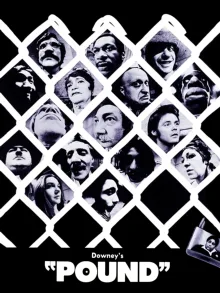
Spencer Parsons, Rob St. Mary, and Mike discuss Downey's film as well as Robert Downey Jr.'s documentary Sr. about his relationship with his father and his father's career.
Labels: Antonio Fargas Rob St. Mary Robert Downey Jr Robert Downey Sr Spencer Parsons
Transcript
An automatic transcript, tidied into paragraphs. It has not been proofread, so names, titles and spellings may be wrong, and it does not say who is speaking.
Show the transcript (about 13,200 words)
Hold your ears, folks. It's showtime. People pay good money to see this movie. When they go out to a theater, they want cold sodas, hot popcorn and no monsters in the projection booth.
Everyone pretend podcasting isn't boring. Turn it off. Hey, two tomorrow night, back to Caesar's Palace. I don't need the cake, but I'll do it because they give me my face break.
You know what I mean? But I'll tell you one thing if I don't get the front dressing room, I cancel. You owe me $2. What are you kidding me?
I'm a Mexican hairless. We're living in Texas one night. There's a tornado warning. So we all go down in the basement and we lay down in the southwest corner.
The tornado hits the lights go out, the wind is blowing, but we're all hanging on to each other like one piece of fear. The next morning we go upstairs, there's no more furniture, the roof's gone and so's my hair. That tornado scared me so much. It made my hair disappear.
Have any hair on your bow. I'm afraid to look. What am I doing here. I'm a penguin.
Welcome to the projection booth. I'm your host, Mike White Chimney. Once again is Mr Rob Saint Mary. If I was a fish, I wouldn't have to listen to this.
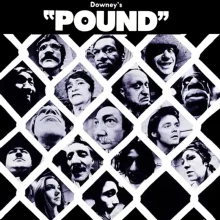
Also back in the booth is Mr Spencer Parsons. Hello. On this special episode of the projection booth, we are looking at Robert Downey's 1970 film Pound. It is an ensemble piece where in a group of 18 actors play different breeds of dogs and one lonely lost penguin all awaiting for their fate and a dog Pound.
I'd say that we're spoiling the film. But this is one of those where I am going to really need some help. Have my co-host tell me, perhaps, tell the listening audience what the heck is going on in this avant garde stage play come wacky adventure film. So Rob, when was the first time you saw Pound?
And what did you think? I have to thank Shock Cinema and why I think Shock Cinema is when Rhino years ago on VHS put out what you SWO I bought a copy of it and I only bought it because being a Paul Thomas Anderson fan, he had talked about the influence of swop on some of his work and Robert Downey as well. I mean, obviously the Don Cheadle character is Buck swop in boogie nights. And then also the whole thing with the firecrackers, which is used to great effect with Alfred Molina in boogie nights, you know, comes right from that film.
So I remember, I think I wrote Chuck Cinema or maybe they had written something, I can't remember. This was over 20 years ago or more and I wrote to Steven over there, the guy who, who edits magazine and I said, you know, could you get any of this other stuff? You know, because at that time, like Downy's stuff was really hard to get, especially the older stuff, like, you could get like a Hugo Pool or something like that then. And that's good.
I mean, I like not as much as the earlier stuff. He's like, oh, I'll, I'll just w what I got. So he sent me chafed Elbows, I think, moment to moment or something like that. It was one of the earlier ones and also copy a Pound.
And so I watched those on like, you know, 15th generation VHS dubs and I, again, like you, I was like, I don't know what the hell this is but damn, is it, is it fun? You know, I do think SWO is much, it hangs together better as a cohesive narrative. But this one I think also has some other things going on that makes me love it as well. So SWO feels like a pot narrative where this one feels more like a cocaine narrative.
I was just gonna go, I don't want to get too far into it because Spencer still has to tell us about when he first saw it. So, yeah, please do Spencer. When was the first time you saw them? What did you think?
Yeah, I only saw it for the first time. A couple of years ago. I gotta thank Aaron Hillis for hooking me up because this is a hard movie to get a hold of. I mean, like, you know, the copy you uploaded has, is it Hebrew subtitles?
This is, this has been one that's always hard to find. So I was really looking forward to it. The first time I saw it because Putney Swoop was one of the kind of big cinematic events of grad school for me when I first saw that and saw Greaser Palace and then for years wanted to get a hold of some of Robert Downey Senior's other films which were including Pound, which were really, really hard to track down. And eventually Criterion came out with chafed Elbows and no more excuses and you know, that set.
So when I finally caught up with Pound, it was interesting because I was a little bit disappointed the first time I saw it because it just had such a, it had such a different energy, you know, I could recognize that it's made by the same person, but it had this very different energy from, you know, from Putney Swoop. And like, I think no more excuses is my favorite. And that, that's a very strange film because it's like all woven together of different disparate parts that, of short films that he hadn't quite finished or had finished, but he wasn't satisfied with.
And so wove that together. But that one truly is still my big favorite of his. But yeah, this had a, another kind of energy that somehow or other I didn't quite vibe with until this occasion re-watching it and then all of a sudden floodgates are open and thought it was really terrific. Got a lot out of it.
That was kind of hard for me to see and hear the first time through. So I guess I wanna say that it is, you know, for Robert Downey fans out there who maybe have seen this but weren't exactly into it. It's really rewarding on a second view. You know, I found that I really, really love it.
Yeah, the narrative structure is such that it really does demand that you watch more than one time. I would say more than two times, maybe even more than three times just to really start to put together all of these disparate pieces. I mean, there 's so many things that are going along throughout this entire film. There's the whole story of like the Honky Killer, this guy is going out and just like murdering people on the street and the police that are after him.
There's some of the dogs which are lost. It takes you a while to even realize that there are people that are playing dogs and then once you kind of get that conceit, you're like, oh, ok. Now I get it. But then with the dog stuff, it 's like, all right, this is a dream.
Is this not a dream? There's one part where there's like a music video kind of thing. I'm like, ok, I think this is the dream of the older Boxer dog. But then you get other parts where it's the woman that runs the place.
She's like, oh, you guys, are, you guys turn off the gas? Well, I'm just going to let all the dogs go. And I'm like, ok, well, this is a good way to end the movie and then there's another half an hour left and the dogs are back in the Pound. I'm like, what am I seeing what 's going on?
So little confusing even after multiple viewings of this. And I have to say everything is played at a real high pitch. So we go from kind of like slower scenes to just like manic craziness, yelling, screaming kind of stuff, which also puts me on edge sometimes. So if you're, if you're a little bit on the spectrum, you might not wanna enjoy this film that much.
I mean, tonally, it is kind of a, like the first time you see it when it goes from the beginning with the Honky Killer bit in the TV to the Pound. It's like never really referenced again. Until way later in the film. So you're like, how the hell is this even related?
It almost felt like two different films in that way. And I get that, but much like how swap, I think really satirizes advertising. I think that the whole Honky Killer thing and you have to remember this is only like four years after Charles Whitman at the University Of Texas. You know, that he's really satirizing media in that piece.
And I can't remember the exact wording and I'm sure you can pull the clip up for the show, but it's like talking about the Honky Killer and then kind of wrapping it in fun, kind of banter on the, on the news, you know. So it's like the news knows that it needs this horribleness to keep people riveted and entertained and watching and all of that stuff. So there's that aspect. And then the other thing that I really love about this film obviously is just the cast because if you're a Downy fan in this era, I mean, you've got Larry Wolf, you've got Stan Gottlieb, you've got, and I don't even know his name, but in the beginning he plays like the old General or whatever and he's just like Rodney, which is the guy in swap that goes, how many syllables, Mario, how many syllables Mario?
It just like he seems to get the line that he gets to just repeat, you know, and absurd. Him just constant, you know. So, I mean, the cast is great. I mean, Antonio Fergus, who people will know obviously for later work.
Like, like I talked about on the, on the swap episode that, you know, when I was a kid in my high chair, he was huggy bear all day long and I loved him on that. So, and staring hunch. So it's, f for me it's just that it's just, I don't, I don't know, I'll get into more particulars if, if you want to, but I just wanna basket it a little bit because I just, I just love those elements. One of the things that struck me this time, I hate to break the vibe by going academic.
But I'm gonna, because I do think that there's a lot to bask in here, but the movie is sort of just, it is simple but its simplicity is deceptive in that, I guess it's a kind of still waters run deep, kind of situation in which there's one really simple kind of gag which is humans are playing dogs. But then there are like two big variations on that idea that I think lead to some of the like confusion of rules or whatever, but it kind of gets into the dream space. And one of them is that we've got a situation, it's a sort of nested structure where we begin with the media about the Honky Killer and people are worried that they're going to be killed.
But then we go to the dogs and the dogs are all worried the entire time that they're going to be killed. And so we have this kind of mirror between the human world and the world. And then there's this additional layer again, very simple, but can make it, you know, tricky to watch and follow. As a movie is the dream level that the dogs have where they're dreaming in terms of being human.
So you have humans playing dogs dreaming of being human, which is kind of beautiful and reminds me of that it's a kind of resonant thing throughout a lot of cinema. But it reminds me of that line from the fly where he says, I'm a fly who believed he was a man and liked it. And now he's a fly again. And that's, that's a kind of thing that I think Downey is working with in this very simple kind of way that provides this opportunity for a really intense kind of dream life, a whole movie in a way as a kind of, you know, dream of his contemporary culture.
But which I have to say, I found very resonant with contemporary culture now for a whole lot of reasons. And that, that was something I found really exciting. Yeah, I mean, for me talking about the resonance to times now it just feels like a lot of it is, I mean, obviously it was made to 6970. So you have to think about when it was created.
There's a lot of these small discussions or sort of these non sequiturs that jump from idea to idea between the dogs that you can see as, at least I took it as the wanting for a political solution. But at the same time, understanding where violence plays into that, looking at the dogs as representative of mixed groups of cultures. So you have, you know, these ethnic types that are played at kind of stereotype to a certain extent. So he, you could say that, ok, well, the dog Pound represents us, it represents America and it 's trying to work out all of these things about like political violence, sexuality, the role of, you know, kind of gender politics, like all of these different things that are, that are in there and then the, you can, I mean, well, I don't know, do you want to talk about the role of, you know, that launched Iron Man, Robert Downey Junior's first role is in this as a five year old.
Do you have hair. On your balls? Is his line? It's a fantastic little scene.
I mean, it, oh, it's great and he gets to play against Larry Wolf. I mean, who doesn't, I mean, Jesus, but the thing that I love about him is that he gets, he gets purchased, he gets taken, you know, so these guys come and it's almost like they don't want the kid, but they're just like, you know, what do you got? And it's like we got a puppy and it's like, well, how much is it? You know, and there's this little scene and it's like, all right, fine.
So the idea being that, like, we only wanna save the cute ones, you know, like the rest of you suffer, but you know, we'll save the cute one. Just so, you know, it is Joe Maddon that plays the old colonel and I'm guessing that it 's Gottlieb as his dog, the Boxer, right? Because they come together. Stand Gottlieb.
Right. Yeah, seeing those two on screen is fantastic. I love that and I especially love when Gottlieb when the Boxer takes a big old hit of marijuana and then has that whole musical dream, which is wonderful. The songs in this are fantastic.
Use of the songs and you know, there's like a musical number in there. There's, it ends on like an old tin pan alley song and I was gonna show you, I actually have a copy of the soundtrack. Sin, a family repressed. This.
They only, I guess they in 1970 put out a soundtrack. But it was just, it's just a white card and it's stamped and it says Pound and it says for God's sake, do not broadcast. That's what it says. So it's got the music and lyrics.
I think it 's got some bites if I remember from the dialogue. But there's not much in here. This was back. I think it was maybe a decade ago.
They did this Downy retrospective in L A and they pressed those and sold them at the show. So I didn't get them at the show. I bought it line from a collector. So that's part of my thing.
But I was just thinking about that because you guys brought up the soundtrack. Well, I am so curious as far as Spencer, you mentioned the box set that was put out through Criterion slash eclipse. And I know that there are still some Downy films that are not available. Like sweet Smell of Sex is one that's not out there.
But this one, yeah, you can find it with time code across the bottom. You can find it off of a screening that the MGM channel had in Israel is what I'm guessing here. And that's it. There's no official release of this thing and I have no idea why that is.
And a lot of times people will be like, oh, it's the music and it's like, but this is all original music to the movie. You know, this, we are not talking about all this in World War Two which used Beatles music, you know, it's not something like that. It's like, why is this one of all the films and what we see out there on YouTube looks pretty good. So it's not like this is, you know, some sort of up old print that was shown on a bed sheet.
This is an actual thing. In an interview. He referred to a restoration that was done of it where they got a hold of a print that was not show able, but they scanned it and screened it and he was there, but this seems not to have been put out. And the history of this movie is very, very strange.
I mean, like this has got to be the most embarrassing of all X ratings. Like the story, for instance of how Midnight Cowboy got its X rating is actually kind of fascinating in the sense that the MP A was ready to give it an R and it was, in fact the studio that was, you know, there was a studio executive, forget who but was nervous about that, wanted it to go out under an X and, you know, of course, it won Academy Awards and everything and then was re rated R not long after that. But this is a very mysterious one because, you know, yes, there's some naughty language but there's material in other films from the period, you know, that were sort of more traditionally or properly rated that is much more offensive than this.
Maybe that was all so part of my initial, you know, disappointment. I was like, oh, an X rated. Robert Downey Senior movie, you know, like sign me up, it's gonna be like John Waters Territory and then it's not at all. I mean, it's like, I think I heard motherfucker in one of the songs.
There's a brief butt crack in the movie. I guess we see dogs humping, but we see dogs humping in R rated movies, like the long goodbye, for instance. So it's really, really interesting and I think it has a lot to do with the studio not getting it, wishing they'd never spent money on it, you know, not liking it. And I, you know, in one of the interviews, that I read this went out as a double bill with Fellini Satiric Khan, which actually sounds kind of great in a way.
I mean, in fact, I like Pound better than I like with Fellini Satiric. But I think these movies would actually go together, you know, pretty well. So they did at least that well, it could be one of those things kind of like, you know, the last movie and a few others where for whatever reason, the regime at the studio at the time, just hated the movie enough that it's just ended up in this like black box ever since I remember. And I invite everyone to go back and listen to our interview when we did Putney swap episode and we asked about this, you know, because one of the things that I said on that episode is, you know, I can't believe that MGM didn't go featuring Iron Man and just, you know, throw it out there, you know, that like they figured someone would buy it.
I mean, if they're gonna make the people that own near dark are gonna make near dark, the cover of it look like twilight so they can milk some dollars out of people. Why the hell not? Right? But it was one of those things where I'm like, where the hell is this?
So when we had Bob Downy on, we asked him that and he said, you know, we don't even know where it is. Like that was like 10 years ago. But there was a screening, I've got a link here and we'll put this in the show notes back in 06 that said that there was a screening. He says it was a miracle, it was found.
He said they, I just had a print of it. It's interesting to me. I don't know, maybe this died in the fire because there was that big universal fire that had a bunch of different things in there. So I don't know if you know some of MG MS properties are in there.
Who knows? You know, I mean, it's, it's really sad but the one thing that makes me feel good and I don't know what they were working from and I think we're gonna talk about this after to the jump is the Robert Downey Senior documentary that's on Netflix. And the footage from Pound and some of the other shorts looks phenomenal. I mean, Pound never looked that good like in the versions that I ever saw.
So I'm, I'm hopeful that somebody figured out how to clean it up and maybe it might be coming our way. Well, maybe the purpose of that documentary as much as being a celebration of Robert Downey Senior was also a way of reintroducing him to contemporary audiences because he remains kind of a, you know, a cult figure for sure, like not exactly obscure, but his appeal for a lot of cinephiles is very specific and kind of cultish. And also with it's interesting, he almost has to be kind of reintroduced in a kind of careful way right now because the his whole mode of filmmaking is a kind of thing that is very much on the outs right now and potentially could be coming back.
But the sort of reeling satire, it's not even, I don't want to put this in the world of like offense for offense sake. But there was a kind of countercultural late sixties satire that right now is just very, very confused and, you know, quote unquote problematic and everything that can be very off putting for people going. Oh, this seems deliberately hurtful and especially an item like Pound that has all of these very strange uses of stereotypes because they're not, you know, you don't find in this for as much as it's working through kind of ethnic stereotypes among all the different types of dogs.
It's not as clear in, like, doing the kind of like, ethnic that you find in other stuff at the time. It's a little bit more open and kind of looking at a pluralistic society. But that's a, you know, given, like, reasonable sensitivity over, over identity issues. This is a kind of thing that can be, you know, very abrasive right now.
Yeah, I guess, I wonder if in a way, the commentary isn't a bit of a reintroduction to pave the way for putting some of this work out. Yeah, I could see people getting upset about, you know, oh, this Mexican hairless and he's not necessarily doing any sort of like broad Mexican stereotype, but then you come to the dash on to the Marshall Ephron character and he's just doing basically Hitler impersonation the time he's got the little mustache and all that. And I love like the crossover between movies like this and the things that like the Abels were doing and just seeing some of the same actors.
I love seeing a young Don Calfa in here. That was amazing. He's always so great and everything. And then, yeah, once Antonio Fergus shows up, you're just like, oh wow, this guy and when he does like his little soliloquy, you're just like, ah, wow, this, we've come now to play.
This is fantastic. The thing that's interesting to me is, and I don't know enough about the history of this at that time in New York. But I was thinking of like, theater of the absurd. I was thinking of one of the Dipalma films, one of the early Dipalma films.
I don't know if it was. Might have been Dionysus 69 was definitely very theatrical. Yeah, there was one that I remember where it was kind of this theater of confrontation kind of thing where they brought an audience like into a tenement and there's like people shouting at him and all this to me. Pound fits within that kind of idea even though I'm not as versed in what that theater movement was about.
But I know that it was more about like, you know, I guess maybe like experimental stuff like things like Harold Pinter, you know, stuff like that at the time. We can definitely see the theatrical roots of this and you can tell that it was a play at one point and you can see just all of the stuff just pretty much in the Pound. That feels very much like it was a play. And I know that there was a play called what the Comeuppance from 61 that Downey wrote that a lot of this is based on, I would not be surprised if I picked that up and read it that it was purely the Pound stuff when they go outside of the Pound, the stuff at the beginning, the sequences where they leave the Pound that feels like it was added on later on.
But I could be completely wrong about that. But yeah, I definitely feel the theatrical roots to. This, like, kind of activist theater in New York at the time was really big. And for instance, Dipalma, I'm forgetting whether it's greetings or hi mom.
Those two movies run together for me. But that's the one talking about with the like radical theater performance. The Dipalma was at once part of that scene, you know, as Witness Dionysus 69 and then also commenting on it in a kind of satirical way in like greetings and or hi mom, you know, running together for me. There are other examples, you know, there's the brig which the living theater did and was, you know, made into a film.
There were theater companies that were doing work like day of absence that goes along like this, that's a white face play that was performed by an African American on ensemble, creating a day when all the black people disappear. So you can imagine that like, that's the kind of provocative theater that was going on in New York at the time. And that this is definitely part of, and that Downey is like, you know, a part of that scene is drawing on a lot of those very actors who were in these, in New York theater at the time.
And yeah, then transforming it into cinema. And one of the things that I find really exciting about this movie is it is at once like a filmed play and yet also is extremely cinematic. And I don't just mean where it breaks away and goes to locations or whatever, it's extremely cinematic and its treatment of the Pound set, which would have been the one like unit set for a stage play of this, the way that the camera moves and how it follows people's action is actually really, really impressive and subtle and beautiful within this film and is a distinct and different kind of experience from what this would have been, you know, on stage in addition to there being, you know, kind of like music video, musical numbers with lots of crazy dissolves and sort of transformations and whatnot.
I mean, one of those moments that opens it up that, that I actually find structurally really important. This comes up late in the film. There's that angel that's sort of leading all the dogs away and you get this as a, as an image of death and then going into a hereafter and there's that beautiful image of where everybody's upside down reflected in this like horrible mud puddle on the ground with trees in the background and then they go through some kind of gates that I guess, aren't necessarily so pearly. And then it turns into all this beautiful kind of fog and smoke and they find themselves again back in the Pound at the end, the view of heaven, the end of the trip to heaven is like looking over the Pound that they've just been in and they can't get away.
And then all the smoke is sort of presaging the later moment, which is, I found to be very odd, you know, a holocaust reference of all the dogs getting gas at the end of the movie, when they're, when they're put down and connecting that to the heavenly imagery that's created. I mean, I laughed out loud and at the same time, I was like, this is extremely dark, you know, this, this kind of recursive sort of, you know, there's a lot of talk about what 's the afterlife gonna be and what's the nature of death and everything and to sort of answer it with, it's this all over again.
And this being the side of our murder is extremely dark. And one of the things I really loved about it on this occasion was that it's a very funny film, but this is the way that it's funny is kind of like the way that Hamlet is funny. A tragedy. Full stop.
It is a tragic, sad film where the death drum is beating the whole time and every conversation almost is about death. And we have this structure of like the Honky Killer and that's played as kind of funny, but it 's got the city in fear of imminent death. And then this group of dogs who cannot talk about anything but death and the fantasies that they go through are also very much kind of, you know, fantasies or dreams when they, are sort of imagining themselves or dreaming themselves as human. These are all connected to, you know, they're often connected to war.
They're connected to a kind of the kind of holocaust imagery the train used at the end, they're all on this train, sort of to this, this eventual end. This is, this is actually a deeply melancholic and quite, quite moving film. It's a very, it's a very serious comedy and actually, in a way, I think the laughs are a little bit more decorative in this case than they are like central to the purpose. This is not structurally a comedy structurally, this is a tragedy that has, you know, lots of laughs and like strange kind of interludes and the surrealism of it is obviously really intense as when the penguin gets birthed, you know, late in the film that, that like stuffed penguin, it's great because the rules of the film are so funny, tangible that up.
Like at that moment, one of the things I love about this sort of dream life of this film is that we suddenly get this birthing scene with this very old woman. She's extremely old. She's, and is kind of played as being, as a dog very advanced age and like near death. And nevertheless, all of a sudden she's giving birth and, you know, the sort of guard for the Pound is, you know, coming in as obstetrician and I'm going, what's it gonna be?
Is it gonna be a dog? Is it gonna be a human? And then it's a penguin? You were talking about those levels there?
Spencer? I think that's why it's not something you can watch on the first sitting and be like, I totally get it. It all makes, you know, I know what they're trying to do because it was only like on this watch for me and I probably seen it three or four times through over like the past 20 years. It's not one I go to all the time, but it's, you know, is that train at the end and the use, you know, obviously the use of train imagery throughout in the culture is, you know, for the kind of the afterlife and things like that, that whole sequence with the, with the angel and the gate and all that, that kind of reminded me of like the staging in like multiple maniacs of the Christ scene there.
But the whole thing about that circle where it's like they get taken away and then like, they're back in the Pound. It just cycles just like reminding me of no exit. I'm like, again, you know, start, you know, it's like you're stuck, you're never getting out. And then also, of course, it comes along with all this stuff and I haven't said it yet.
So here you go, get ready to drink, doing well with, something like Exterminating angel or something where it's like you're just stuck in a room, you can't go anywhere trying to get out. You know, you're gonna sit here and kind of you at the bars whether you like it or not. And so I think Downey is talking about all of this violence that obviously kind of culminates around 1970 because you look at World War Two Kennedy assassination all Vietnam, all of this stuff just kind of stacking up and it just seems like he's trying to flush it out of his system in some gesture here.
That's amazing to me that this is six years before Berkowitz, but we've got the whole city in terror kind of thing, which I know, you know, like there were mad bombers going on in Manhattan. I know that, you know, even watching one of my favorite shows, Barney Miller, they'll talk about people bombing places or people taking pot shots and things and it's just like this is again a comedy show and then he watches and he's just like, yep. Yep. I can see where they're coming from.
With this stuff. Even, even to see how again they'll twist things where the cops finally find the Honky Killer and the cop that's running after the Honky Killer is doing all of these, like, jumps in the air and he's got this old timey police hat on. He 's basically a keystone cop and doing a keystone cop chase of the Honky Killer. And then when the Honky Killer talks with the black police chief and is putting on that just horrific stereotype type voice.
And then the police chief just like he's a brother. He's a, I'm like, oh my God. And that, that right there is another piece that like Spencer is talking about that would get you canceled. Like people that they wouldn't be able to understand what the hell's going on there.
They get very offended. It reminds me a lot of like the Ralph Bakshi stuff where it's like you watch. And I want to see Fritz Cat was somewhere around this time might be a little bit later than this. But you get all these things where it's just like people, you know, like the black crows are like we talked about coon skin years ago, Rob where it's just like, really could be viewed as super offensive stuff, but it's just like, yeah, pushing buttons and that's what so much of the underground filmmakers, comic artists, all these folks were just setting this stuff up and being like, yeah, this is, this is a hot button thing and I'm going to push those buttons.
And the interesting structure to that of the joke does a couple of interesting things is that, you know, the Honky Killer is actually white, pretending to be black and trying to make white people afraid of black people. That's Charles Manson, you know, like actually the Honky Killer is a kind of, you know, Manson figure within this. And I think it's also very much getting at the kind of structure you know, society of how this kind of fear is used. But it's also interesting to me in comparison with Putney Swoop where Robert Downey Senior did the voice of Putney Swoop, you know, and his reasoning for it was that the actor just could not remember his lines.
So he ended up doing this, but a white man voicing this black character throughout that particular satire. There's almost a way in which I don't know that this is intentional. I'm not going to pretend that it is, but I do find it to be a kind of wonderful mirror of Putney SWO or like a sort of subtextual mea culpa of calling himself out, you know, later for having done this earlier thing I was gonna ask, does it, does it feel that it works better for you now, Mike or after us having this conversation? Yeah.
And I can see more of these connectors that I really couldn't see before where I was just like, what the hell is going on in this movie. And there's so many times where you are just setting things up for a punch line and so much of the humor is just so Borscht Belt when it comes to like, you know, it's the whole, like, you know, the guy drawing the line thing. Which one is, that is that moment to moment and it's like someone has to draw the line and it's like, ok, and this one, you've got a lot of times where it's like, ok, here they're having a conversation and then we're going to pan over to somebody else and they're going to make an ironic remark about it or, like, have a little punch line and you're waiting for just like a rim shot, like, every few minutes.
And so after a while I was just like, oh, ok, this is, this is a lot but, you know, getting it more in context talking about it with you guys. I am starting to see the light a little bit more about this one. It probably scores high in what I would call the lurch meer. And what that is I have a friend of mine who, whenever I make bad puns does his lurch impression.
Exactly. Exactly. I love puns. So it's fine.
You know, I just, it's great. Yeah, definitely a lot, a lot of dad jokes in this one. Yeah. For sure.
I don't know. I mean, like there's definitely the New York theater kind of thing that's going on. And a lot of that was, you know, very politically active kind of stuff. But again, in terms of I'm gonna go back to the structure again because I guess that that's just something that, that hit me big on this one.
But there are other interesting structures for films, you know, at that time. And obviously, we've talked about certain kinds of films. But one of the things that this made me think about was the kind of deceptively simple alternative structures that Cassavetes would have for his film. And so this is like around the same time as faces, for instance, and that has, you know, like we think of Cassavetes as being realist.
I think we think of Cassavetes as realist in a way that's wrong. I think he's quite expressionist and surreal and strange. But for instance, one of the things going on with faces structurally is it's not following a kind of straightforward, like three act rising sort of structure. Instead, it does this other thing where there's a sort of meta kind of joke at the beginning where they're about to watch an advertisement and then the title of the movie pops up on the screen and then we watch the rest of faces and then it follows like you have the couple together and then it follows each one of them separately before the bringing them back together again at the end.
And it's a very simple structure. It's just not our conventional like narrative kind of structure. So Pound works in a similar way and I don't think it's quite as rigorous as Cassavetes film in terms of adopting and going with that structure. There is a point for instance where the sort of the dreams and the music videos and the songs kind of take over where it just becomes a run on these things because it isn't internally building, you know, scenes as much between the main set of characters that it's set up.
But nevertheless, a lot of that stuff is, it may not be paying off in the traditional dramatic way, but it is paying off in thematic ways to sort of hit these variations on themes that have been set up in the more sort of conventional scene work where all the characters are kind of introduced and they talk to each other and they're kind of setting up their problems. And then we work through these like, you know, little strange variations that keep leading us back to this, this same place again. So that I don't want to give the impression that it's totally rigorous because it's not, there is a genuine messiness to it, but it's a messiness within, within a structure that is in a certain way, pretty straightforward and kind of simple.
Yeah, I think a lot of times people look for a plot to help them figure out theme that, ok, if I can follow a plot, then the theme will be in there. And to me there is a lot of non sequitur and you're like, why are they talking about this? And then, you know, or like some guy asking for a pencil over and over again or, you know, you owe me $2 and there's just all of this stuff that just keeps coming back and you're just like, yeah, like, so the thing is sometimes if, if you're watching it and you're trying to look for a through line, you're not really gonna find it, you're going to find more like scenes that make a point and then build on the points and that's kind of how I had to eventually view it.
And I think like a lot of his work is kind of that way, to be honest. It's not, I don't think he has much of an interest in plot so much. It means SWO is pretty much a, it is a narrative. I mean, that, that one actually is easy to follow, but some of his other stuff, it 's don't bother trying to figure out why A goes to B to C.
It's more like, just enjoy each moment, moment to moment, you know, each feed. Well, and even Putney Swoops plot is a bit of a clothes line for the crazy ads. That he wants to do that are kind of beautiful, crazy little short films in and of themselves. Like, 11 of the things actually, like on first time viewing Putney Swap, I was finding it hilarious.
But I was also, like, these don't function as ads at all. These are bizarre short films. And that's exactly, you know, he 's sort of, he, it's a little bit of a bait and switch that, that he pulls in that particular case. Greece's Palace is a kind of a similar thing of taking like more the idea of a western and then filling it out with all these like sketches that speak to each other, you know, little elements that are doubled.
He does a lot of stuff with like mirroring and doubling of stuff in his work. So there are these like poetic strategies for holding things together. But yeah, any kind of a coherent plot definitely, you know, falls, falls low on the, on the priority. And I guess, you know, that's a kind of approach I really enjoy and I want to see more of though, of course, often when something is truly plotless, you know, it like here 's the thing, it takes structure of some kind to be really plotless.
So, you know, there's, there can be these efforts to do a plotless thing. I'll pick on Robert Altman because I actually really love his work. He's one of my favorite filmmakers, but like ready to wear, for instance, is one of those where the true plotlessness of it really just breaks down. And as much as I might like all the actors that are in it.
And as much as I like Altman style, you know, all the stepping and dog poop jokes can't hold together that movie so that you can do without a plot. But there have to be these kind of other poetic structures generally. But I wish that that our cinema these days was a little bit more conversant and kind of other other structures to go toward, you know, creating exciting experiences like this rather than having to be so locked on to plot or even within that, you know, a particular kind of three act structure plot. There are lots of plots aside from, you know, sort of Robert Mckeith.
One of the things that I think about as a corollary to something like this in another context is jazz and I, it feels like, like you talk to a lot of people and they're like, oh, like, you know, free jazz or, you know, like Ornette Coleman or, you know, Cecil Taylor or Chicago or whatever, like, like this further out jazz stuff and people are just like, I don't get it. There's, there's no thing, you know, there's, so to me, it's kind of the same, like, like if you want the Great American songbook, you're not going to get that you're gonna get a deconstructed concept of what sound is or rhythm or melody.
It's, and it's gonna challenge you in that way. And for some people, it's great like they like it and there's other people that to go, it just sounds like noise. I can't make heads or tails out of it. It's very interesting to me that this was edited by Bud Smith or Bud E Smith.
He might also go by who had also done Putney Swoop. He would then end up doing Gross Palace, but then he would switch over and start working a ton with William Friedkin. He's starting with the sorcerer and then the Brinks job and cruising and deal of the century. And one of the things he did was to live and die in L A which has a great little role from Robert Downey Senior in it.
Yeah, it's interesting. The editing is actually an element of this movie that is again up until you get to the music video portions where it's a bit more obvious, you know, like what's going on virtuosity with the editing. It's deceptively simple and a lot of the camera work can be deceptively simple, but we see really beautiful staging and ways of following characters through space from, you know, one interaction, the dogs to another and that the editing is very much weaving together the space and these these conversations until it kind of explode in these more fantastical and kind of dream like interludes that come along.
This is, this is one thing like I think, I think for me, this is Downey's most visually rewarding film that I've seen so far. There's, there's definitely more that I have to see, but particularly of the, of this period of work, I find the camera work and the state and yes, it could be kind of stagy staging, it could be theatrical kind of staging. It's not, we're not in the land of realism here at all. But the staging and the camera, you know, compositions and movements are, you know, really beautiful and pleasurable and kind of heighten, you know, all the great acting that's going on.
These actors are being followed by a kind of brilliantly prowling camera that's like always in the right place for their performances. Yeah, it's really, really beautifully shot and edited. All right guys, let's go ahead and take a break and we'll be right back after these brief messages. Step into the gallery, dear friends for horrors, nightmares and Spooky Tales.
This is the midnight viewing podcast and we like to discuss the frightening world of television horror anthologies from Rod Sterling's Night Gallery to Tales from the Dark Side to Hammer House of Horror and more. Father Malone Chris ST you and Mike White will be your Docent during this midnight viewing available wherever you download your podcasts from Weirding Way Media dot com. How long have you two been married? That's me.
Right. Yeah. How long have you? And Pops been married?
1500 years. We should switch seats. How long have you guys been married? 1500 years?
Did that go better this time? She looked up in the middle of something up that way. You're right. Let's do it again.
Take three opener. Robert had an idea of doing a documentary about his dad and about their life together. So many people they know Robert Downey Junior, but they don't know Robert Downey Senior. He's a talented underground filmmaker named Robert Downey.
Have you seen any of grandpa's movies? No? Why? Because they're awesome.
Do you want to see them someday? Do people try to describe meaning to your movies? Oh my God. I hope that.
So, what do we want to talk about everything? Oh, boy, I'm very interested in who my dad is just in the here and now no one knows the hour and the day we never know how much time we have with each other. So, who is this guy? I'll never know how you been?
Ok. Is it a struggle? Is it challenging? Is it scary on a certain day any of those?
It's not time to make a change. It's a bit of a foray into trying to understand your dad? Y'All still young dad. Do you feel like you understand him now?
I have a feeling I'll know a lot more when we're done. You are not. I just remember that cacophony of creativity. It 's not you, but mostly laughter.
How would you describe that period of time? 15 years of totality. I think we would be remiss to not discuss its effect on me. Well, I could sure love to miss that discussion.
Whatever's unfolding, funny or tragic. It's happening with the camera going. But then there's some part of me that feels like, oh or me, it was this idea that films kind of brought us together. And to this day they still do.
We're still happy with the title Senior. Are we not? Yeah, I like it but we can, we can do better. All right, we are back and we are talking about Pound and Rob.
You mentioned earlier that there are a couple clips from Pound inside of the new documentary. Well, new as in 2022 documentary just called Senior, which was done by Junior and our old friend Chris Smith, who was one of the directors on American movie, one of the best documentaries out there. But yeah, let me hear what you guys thought about the documentary on Robert Downey Senior. Well, it snuck up on me.
I just remember seeing this image, this poster image that I'm like, oh, there's this documentary that's coming and I was like, OK, I'm excited about this and the thing that I like about it is that they were able to use some of the concept of filmmaking, creativity, all of this stuff that I just think it 's, it's just a really well done film and, I mean, I think it plays well for, I guess you could call us heads. You know, like people say, oh, you know, you're a jazz head or something, you know, you're like, really in it, like, if you're a Downy head it's great, you know, if you're into his stuff.
But I also think that it's broad enough that, for example, my, brother-in-law who's not a art film guy, he just watched it because it's Robert Downey Junior. You know, he thought, oh, this, this documentary on Robert Downey Junior and his dad, I don't know who his dad is and he was really taken with it too. So I like the fact that it seems to work for a general audience as well. They introduce people to him and to his work and just sort of his family, you know, in a way that I don't think really there's been a lot done on the pair of them.
I'm really curious because throughout the movie they show. So it's kind of like there's two movies going on at once, there's Robert Downey Junior's movie about his dad and then his dad kind of hijacks the camera people and makes his own movie and you should get to see clips from that movie as you're watching Junior's movie. But I really wish that there had been and maybe this is on Netflix and just one of those hidden things, kind of like the documentary about the making of other side of the wind that was buried under like trailers.
And more, I think I would like to see all of seniors movie. I would be very interested in having that as a separate thing that I could see on its own, just all together. I would actually cite that as my biggest complaint with the movie, as I kind of wanted to see that movie more than the traditional documentary. I did like the frustration of like really wanting another Robert Downey Senior movie.
Yeah, I actually, after I watched it, I wrote a letter to Robert Downey's production company, him and his wife made it. And so I was going to read you a little bit that I wrote. Here I go. Since I heard about Senior, I've been waiting in anticipation.
The film is a beautiful story of father's son 's creative drive and coming to terms with your own mortality as someone who struggled with addiction. I want to thank you for having the bravery to share all of it with us. It's a wonderful film and as a fan of your work and your father's, it's a film that I thought I'd never see and it's beyond all my expectations. One of the things that I brought up was that we did have him on the projection booth and I noted.
Here I go. During our conversation about the release of his work, I asked him about Pound. He said he didn't know where the original materials were. And I was profoundly sad because the idea of an artist losing control or even track of his masters feels like losing a limb.
Watching Senior, it appears that you were able to find a good printer or transfer and that seems exciting. Do you know if anyone's planning to release Pound? I hope Criterion might step up and do the right thing as well with that in Greaser Palace and the work you did with your dad in the eighties and nineties. And I think it would be wonderful to have definitive releases with commentaries, extras and such.
Watching Senior though his final work, the edit he was making of the film, will that be released in any manner? Because I'd love to see what he put together and I go a little bit more into it. But I said, you know, thanks again. You know, I'm sure it was a hard film to make.
I can tell from your scene with the therapist talking about how you're preparing for the last time you would see him. I thank you again for sharing the film filled with truth and vulnerability and I hope you have a great holiday and New Year because I sent it in December of last year. Yeah, I really like those scenes and I like that, they confronted the whole idea of Senior being an addict and really helping perpetuate that with his own family and just with the Junior and Junior really, you know, facing that head on and them actually including that as part of the film.
I mean, people now, I, you know, there's a whole generation that really only knows him as Iron Man and a few other things, Dr Doolittle, of course. But then there's, you know, our generation, my generation, I think Spencer, you're of the same generation where it's just like, oh man, here's Robert Downey Junior fucked up again. Oh, wow. He's just like that character in less than zero.
And we really wish, you know, every once in a while there'd be like little high points where you're just like, oh, this is the Robert Downey Junior. I want to see, you know, you see him in the singing detective or, you know, back to school even, or, you know, obviously kiss, kiss bang bang was like the role that really was like, oh, he's back. This is the Robert Downey Junior. We were promised all these years that we didn't get because of the drugs because of the alcohol.
And I just think about how he was used in that period. I mean, obviously during his addiction and go to prison for a short time and things like that. I think there's a line in basketball where the kid that they're hanging out with the South Park guys, they get him drunk or something and he goes to the hospital and the line is God, this kid smells like Robert Downey Junior or something like that. I'm a little bit younger than you guys, but I mean, he was part of that whole crew in the mid eighties, you know, of all those, he was part of that whole thing and, you know, to see where he is now, I mean, really, like, I think Iron Man was the mainstream redemption for him.
And what's funny about Iron Man though is, and I don't know if he's ever talked about this is that the whole living in the shadow of his father, the whole father, son, Tony Stark, Howard Stark, you know, storyline that, that runs through the Iron Man films and somewhat through the comics. But it doesn't seem like that far of a stretch that he's, you know, could lean into. Oh, I know what it's like to have to deal with a father who I got this legacy. They touch slightly in the second Iron Man on his substance abuse.
I didn't want to say that it just very barely. And I think even they, there is a little bit of an extended scene of him on the airplane at the beginning that talks a little bit more about it. And I thought it was so brilliant when he was cast as Iron Man because I was just like, oh, wow, Tony Stark has a whole history of substance abuse. Exactly.
I was so primed for drunk Iron Man. I really was and it never quite arrived and I understand but as like, you know, I'm not into the MC U but I do love Marvel comics and I grew up with them and like, that was one of the things that the Iron Man, you know, the Iron Man alcoholism storylines were really intense and important in a different way of looking at a sort of a superhero character. Yeah. And I like that, even though he 's basically batman, he isn't one to say my superpower is that I'm rich.
You know, I. Do wanna mention one. Robert Downey Junior was done that, that I think is particularly important within this area. And kind of was the first time that I realize what a good actor he is like, just how good.
And it's Rick Linklater's Scanner darkly, the paranoid character that he plays in that. And of course, it is a movie about drugs but it's not so explicitly about, for instance, you know, that character taking drugs. But the, but the mindset, you know, you mentioned that this is maybe more of a cocaine vibe or whatever. And for sure, Philip K Dick's, you know, history with methamphetamines is something that they definitely like worked into that into the v of that particular film.
And I think that that's a particularly great performance that I want to mention in this case, not just because of the Downy connection, but because it speaks to some of the energy of his father's work, I see the line that, you know, for instance, from Senior to Junior, when I watch a scanner darkly, the kind of performance which is, I mean, that's a really big performance that's like, you know, not just because of the animation and that it's got a through, but Linklater actually went a little bit outside of his zone, you know, more realistic Wheelhouse in that particular film.
And let Downey and Woody Harrelson in particular kind of go way over the top. But the kind of over the top work I think is very much of a piece with Robert Downey Senior's work and, you know, plays into some of these wonderful, you know, the over the top performances and Pound that there is, there's a really interesting kind of DNA. There. One of my favorites of Robert Downey Junior is natural born Killers where he plays Wayne Gale, the kind of Geraldo, but based on a Australian Steve Dun lady who used to be on this show, a current affair.
And like that, that to me, II, I look at that film now understanding his background and go no wonder he had so much fun working with Stone in that context because that must have been as much crazy fun as working with his dad because of his dad's tendency to be all over the place because that, I love natural killers. Like I just rewatched it. I don't know if it holds up in the modern context, but I still have a deep affection for that movie and just how fucking batshit crazy that thing is. So, yeah, I think his chaplain probably would have gotten a lot more kudos if it had come 10 years later, you know, in 1992 I don't know if people were ready for him.
It was still, you know, oh soap dish version or air America or True Believe or some of these, you know, Johnny B Goode, he was still making movies with Anthony Michael Hall. So it was just like, you know, oh yeah, like pickup artists. I remember being not very good at all. So, but I remember he really went all out for Chaplin and I just don't think that I got the notice that it might have if it was a different Downey Junior at that point because then after that, yeah, you've got your, your shortcuts, your natural born killers.
You're Richard the third we've talked about on here or I've talked about a little bit about Us Marshals. I know Rob you and I have always wanted to do a Bowfinger episode. I mean, he was doing some great stuff throughout here. But just, it really took a while before it really hit home and it was like, oh, this is the Robert Downey Junior that we all wanted.
And that's why for me, I'm glad he's back. It was so sad in that, in that period where he was so fucked up. The those of us who are fans would just look at him and go damn, you know, like it's just amazing talent, like there's other actors that I think of, you know, and I'm not gonna name names but you know, but it's just like you're like, damn, like that guy is fucking amazing. Like if you could only get his shit together, like, you know, sad.
But like I say, the documentary though, the footage looks great from Pound that, like I said, when I saw that documentary, I was like, holy shit. Somebody got a good print or they clean this thing up, which to me, I thought, OK, maybe there's something happening here because I think not 100% sure. But I think that Downy box set isn't around anymore. I think Criterion is not selling it.
And I know that SWO was put out recently on Blu Ray. I mean, recently the last five years through vinegar syndrome. I know that Greaser Palace is kind of floating out there somewhere. I don't know who's got the rights to that thing and all of that eighties nineties stuff.
It's, I don't even know, if like Hugo Poole got a DVD release, I think it was put out on VHS. It did. I have the D DVD. So, I can confirm.
Yeah, Hugo Pool was actually that for a while. That was the easiest to find, I think just because it was a relatively recent DVD, but at the same time it's a very obscure film, you know, that did not really do well when it was released and, hasn't quite gotten the cult favor, you know, of his other work. And it's interesting, this viewing of Pound made me want to revisit Hugo Pool because I'll admit that's one that even though I own the DVD, I don't, I don't actually like it very much but this, this viewing of Pound made me want to go back to it because I think it might be a kind of vibe thing and that, you know, that, that's another one of his that is a more melancholy of work and perhaps I was not quite catching the melancholy but was expecting, you know, different, different kinds of, a different kind of comedy because, you know, for sure there's, there's stuff that's, that's funny in it.
But, yeah, Hugo Pool is an interesting item and very much about, you know, the death of a friend and, you know, dealing, dealing with mortality and, again and in a different way knowing that context, yeah. A Pound really makes me want to check that one out again. Yeah. So all I can say is, you know, I sent a letter in so like, you know, so I mean, I've done everything I can, you know, if if Criterion is listening, please, you know, do something, do us all a favor.
I want to say that one of the more recent months of notifications had, I mean, because I know Criterion and Netflix have worked together, I think like, OK, Oka has come out, a few other films have come out. I don't know if they've ever made good on the whole other side of the wind thing though. But like that is one and all of those things that I thought about having the hidden stuff on Netflix, all of those be on there. But I would love if they did criteria and did like a Senior or did a, you know, another box set and added Senior plus all of the stuff that we're talking about here with, like, just bring out all those things, bring out some of these other movies that aren't available necessarily too readily, whether you like him or hate him.
You know, you should probably still preserve things like up the Academy. I've actually never seen up the Academy. I own the Gong Show movies. So I don't, I don't know.
Is it, is it really bad? I don't know. Isn't there like a, an Alfred Newman character in the film that looks very creepy. Like garbage pail kids.
The movie, creepy. Like Richard James, you know, like an Aphex twin mask. Yeah, I've seen. Stills and it looks really, really weird.
Yeah, I loved Mad Magazine and that's, that's actually before I knew it, Robert Downey Senior. That was a movie that I wanted to see because it was like, there's a Mad Magazine movie. I gotta see that when I was in high school and then of course, it's you know, the reputation precedes it as being, you know, very, very bad. Yeah, I hope that he's primed for, you know, for reconsideration because II I do also think that this mode of satire from the time, you know, part of the, I guess part of my issue with problematic work is that like, you know, we should all hope that, you know, our most progressive work that we put out in the world becomes problematic and on the double because that means that there is real progress in the world.
I think that like, you know, the work like this from, from this period that, that was so politically engaged but in ways that were often very angry and in your face and kind of difficult to take, I do think that there's a place for that now and not, not just in, you know, I feel like in a weird way the like there's there's a lot of right wing energy that taken over that kind of mode of a, of a dress, you know, I just think there's a wider consideration of what can be expressions of, progressive anger and urgency and concern that work like this.
You know, really, really makes me think and makes me excited and it's, one of the, one of the things about it is that Robert Downey Senior cares about people, all, all the, all the actors playing dogs, you know, however much we're getting kind of stereotypes, they're all looked at. Even, even the Hitler dog is, even the Hitler dog is kind of, you know, looked at with, you know, a kind of humane, humane society, kind of humane eye. And so I think there's, there's something at once. Yes, very, very angry and direct in invoking some of the, you know, urgent political movements of the time and there's stuff that's very deliberately offensive in the mode of address, but we should be offended.
And I think taken with the humanity, this isn't just offense for offense sake. This isn't just like, I mean, it's not even that like a lot of this movie is not even that offensive at this point compared to South Park, for instance, or compared to John Water's work, which came, you know, just after this or for that matter, you know, you know, Downy worked with the composer of hair, hair in certain ways is like a little bit more in your face than hound is. This is, this is a really, it's provocative but it's relatively gentle provocation.
But I think it's a mode of provocation that I would like to, I like revisiting and I think we could see more of, you know. I'm thinking about in that era too because this would have been around the time. I think it was 70 or 71 is when National Lampoon magazine started getting going. And you have someone like Michael O'Donoghue who was so angry, you know, I mean, he was the lead writer on Saturday Night Live when that started a few years later, but he was so angry.
But the thing is that a lot of satirists, the reason why they're angry is because they see the potential in humanity. It's not a nihilism like, oh, you know, because if it was nihilism, they wouldn't even probably do it. I mean, it would just be like, well, there's, there's no point because there's no reason, you know, we're not going to be able to reform humanity. So we, you know, the why say anything at all, you know, I just go do something else.
I'll just spend my time getting drunk. But this attitude of, you know, trying to push you to see things through a funhouse mirror and to see what you're doing to yourself, what you're doing to each other, how we're relating to each other. What we can do that would be better. You know, I mean, to me that the godfather of them all is Jonathan Swift.
So, I mean, you know, did Swift really mean that you sell your two year olds to the English as food? No, he's trying to upset you. So that you understand that these children are dying that these people are being starved to death and he's trying to smack you in the face to get your attention. So it's, it's that kind of thing.
It's, it's that kind of attitude and I think sometimes it becomes this like it reminds me of the quote that I'll butcher from, art Spiegelman where someone asked him about mouse and they said, well, do you find that, you know, is it, tasteless that you did a comic book about the holocaust? And he said, no, the holocaust was tasteless, you know, and I think that that's the problem is people get upset about the mode and they forget what's behind it and we get too hung up on the mode and, they pay too much attention to that as opposed to the ideas underneath.
Well, I want to thank my co-host Spencer and Rob for taking the time to talk to me about Pound. So what has been keeping you busy lately? Spencer? It is deep in the darkness of Winter Quarter at Northwestern and yeah, my day job is what's keeping me busy right now, but this is, this is a nice break from that.
So thanks for having me on and Rob. How about you? What's new with you? Finishing up on my masters.
It should be done in August. It's a lot of work, but that's good. And just enjoy my life. I can say that, you know, for a long time, I was living in the darkness and now I'm, I'm feeling much better.
So, we're doing good. So thank you and thanks for having me on Mike. It 's good to hear from you again. It's good to talk.
I got the educator and the educated here. I love it. This is fantastic. Well, thank you so much guys for being on the show.
Thanks to everybody for listening. If you want to hear more of me shooting off my mouth, check out some of the other shows I work on. They are all available at reading way media dot com. Thanks especially to our Patreon community.
If you want to join the community, visit Patreon dot com slash projection booth. Every donation we get helps the projection booth take over the world.
Watch
Music credits
- Soundtrack by Charley Cuva
Links & resources
Related episodes
Episodes that share keywords with this one.
Putney Swope (1968)
Shared: Director Robert Downey Sr., Antonio Fargas, Robert Downey Sr
Robert Downey
Is There Sex After Death? (1971)
Shared: Robert Downey Sr
Jeanne Abel, Jenny Abel, Skizz Cyzyk, Heather Drain
I'm Gonna Git You Sucka! (1988)
Shared: Antonio Fargas
Antonio Fargas, Peter McCarthy, Chris Cummins
To Live & Die in L.A. (1985)
Shared: Robert Downey Sr., United Artists
Willem Dafoe, M. Scott Smith, Jedidiah Ayres, Andrew Nette
Comments
No comments yet.