Show notes
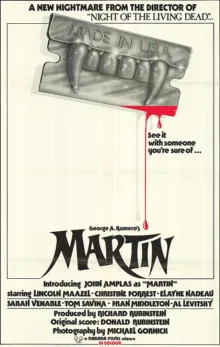
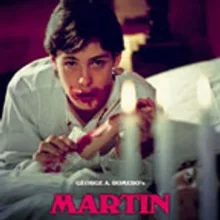
George Romero's Martin is a remarkable vampire film made at the high point of Romero's career.
Our special co-host, Edward G. Pettit (opens in a new tab), is a freelance writer, book reviewer, film presenter, professor and literary provocateur.
Our special co-host, Edward G. Pettit (opens in a new tab), is a freelance writer, book reviewer, film presenter, professor and literary provocateur.
Labels: Ed Pettit George Romero Mike Mayo Vampires
Watch
Links & resources
Related episodes
Episodes that share keywords with this one.
Dawn of the Dead (1978)
Shared: Director George A. Romero, Cinematographer Michael Gornick, John Amplas
Gaylen Ross, John Amplas, Jon Towlson, Jamie Russell and others

Season of the Witch (1972)
Shared: Director George A. Romero, George Romero
Payton McCarty-Simas, Adam Lowenstein, Father Malone, Rahne Alexander
Comments (4)
rustynbirch Dear Mr. White, Could you post your PDF of the script (if it is a PDF- you may have a print out)? I'd love to read this. This was one of the films I would see advertised in early 80's issues of Starlog. They had an ad for movie soundtracks you could buy (I think "Maniac" was available in this ad as well) and the photo of Martin with the blood running out of his mouth always creeped me out. cheers & thanks for another great show, RustynMike White Sorry Rustyn -- I think it's copy written material that I shouldn't be sharing. The novelization can be found for $20 on Amazon at the moment. - MWrustynbirch No worries then. Thank you anyway. :)
Sir A1! After listening to the podcast, I think a good argument could be made that, more than anything, Romero The Director was defined by Romero The Editor. There's a whole progression and style that informs everything during the period book ended by the first two DEAD films, a rhythm and vibe created by construction and montage and not the visual flamboyance or flashy style of a Dario Argento or a Sam Raimi. This is probably typified by the Ghetto Siege in the opening of DAWN where space and location aren't defined by wide shots to establish geographic relationships but through camera direction and brief evocative shots of martial imagery; never do you see the the tenement, the gang bangers, and legions of cops all in the same shot at the same time, it's always somebody looking one way, someone looking the other, cops gearing up, flashing lights, etc-- it's a total editorial construction in the strictest sense. Once Romero moved into a more formal production structure, I think he lost his edge but I think the upside is that if went back to cutting his own work and being more loose, he could maybe (and that's a BIG maybe) get it back.